SiC Crystal Crucibles - OEM Graphite Machining Manufacturer Logo
SiC Crystal Crucibles
Start inquiry
SiC Crystal Crucibles - OEM Graphite Machining Manufacturer Logo
SiC Crystal Crucibles
Consult Engineering via WhatsApp
SiC Crystal Crucibles - OEM Graphite Machining Manufacturer Logo
SiC Crystal Crucibles

China-based custom graphite manufacturer supporting precision machining, RFQ-defined ash targets, and export delivery planning.

Inquiry Email

[email protected]

Email app

Attach DWG, STEP, or PDF drawings and include purity, tolerance, quantity forecast, and delivery country.

Instant Chat

+8618857971991

Chat on WhatsApp

Use WhatsApp for quick engineering clarification before a formal quote.

Factory Addr:Liaoyang, Liaoning, China (Xingde Graphite manufacturing partner)

Email:[email protected]

WhatsApp:+86 18857971991

Products & Consumables
  • SiC Crystal Growth Crucible
  • TaC Coated Crucible
  • High-Purity Graphite Crucible
  • Isostatic Graphite Crucible
  • SiC PVT Crucible
  • Porous Graphite (TaC)
  • Graphite Susceptor
  • MOCVD Wafer Carrier
  • Graphite Heater
  • Graphite Hot Zone
  • PAN Carbon Felt
  • Graphite Felt Insulation
  • Rigid Carbon Felt Board
  • Graphite Crucible Lid & Cover
  • CVD-SiC Coated Susceptor
  • Semiconductor Graphite Machining
Solutions & Applications
  • SiC PVT Crystal Growth
  • SiC Wafer Manufacturing
  • Vacuum Furnace Hot Zone
  • Crystal Growth Laboratory
  • High-Temperature Furnace Consumables
OEM Capabilities
  • High-Temp Purification
  • CVD Coating Service
  • Precision Machining
  • Ash PPM & Impurity Control
  • Drawing-Based Graphite Parts
  • Inspection & Packaging
Resources
  • Insights
  • About Factory
  • Request a Quote
  • Privacy Policy
  • Terms of Service
© 2026 SiC Crystal Crucibles. All Rights Reserved.|Manufacturing support coordinated with Liaoyang Xingde Graphite for high-purity isostatic graphite machining and purification.
← Back to OEM Capabilities

Ash PPM & Impurity Control

Material selection, purification planning, impurity report alignment, and batch traceability support for high-purity graphite consumables used in SiC growth and semiconductor furnaces.

Best Fit For:Quality assurance, materials engineering, process engineering, and procurement teams controlling contamination-sensitive graphite supply.
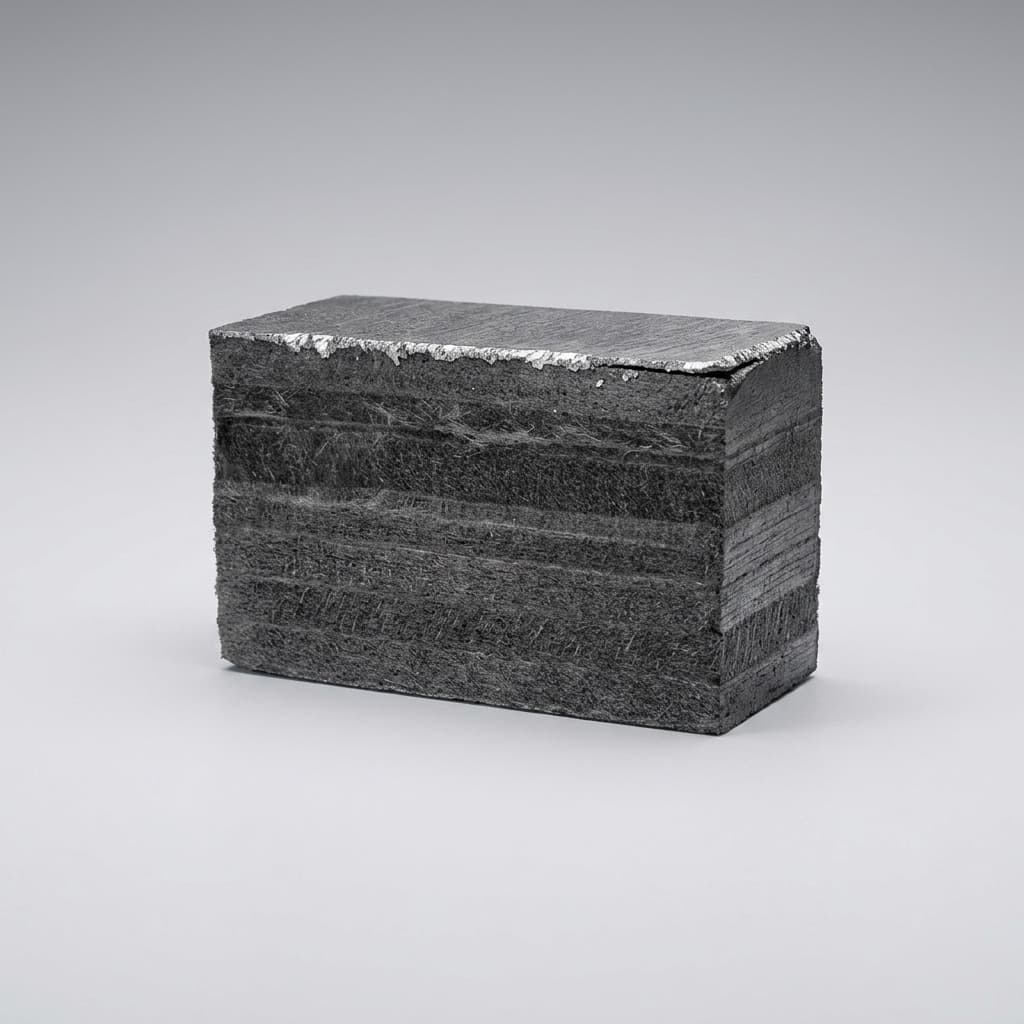
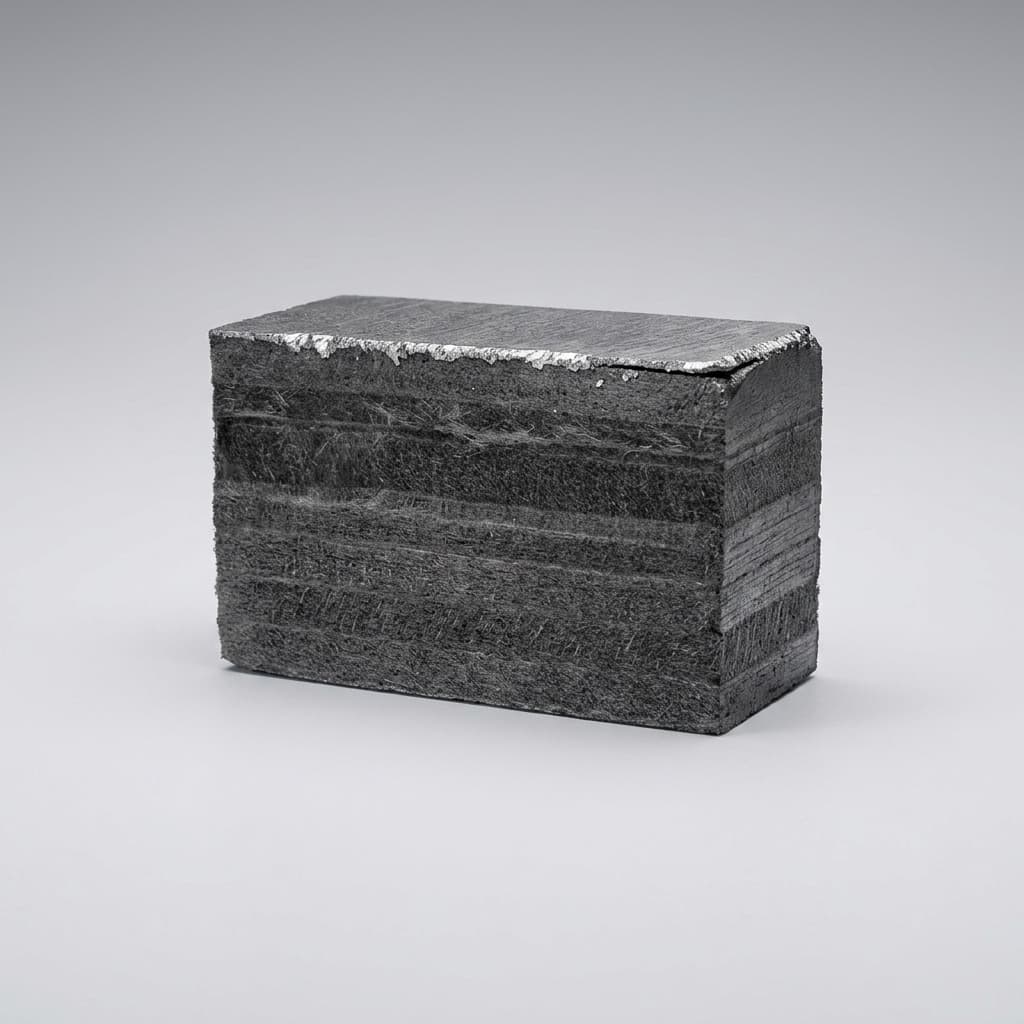
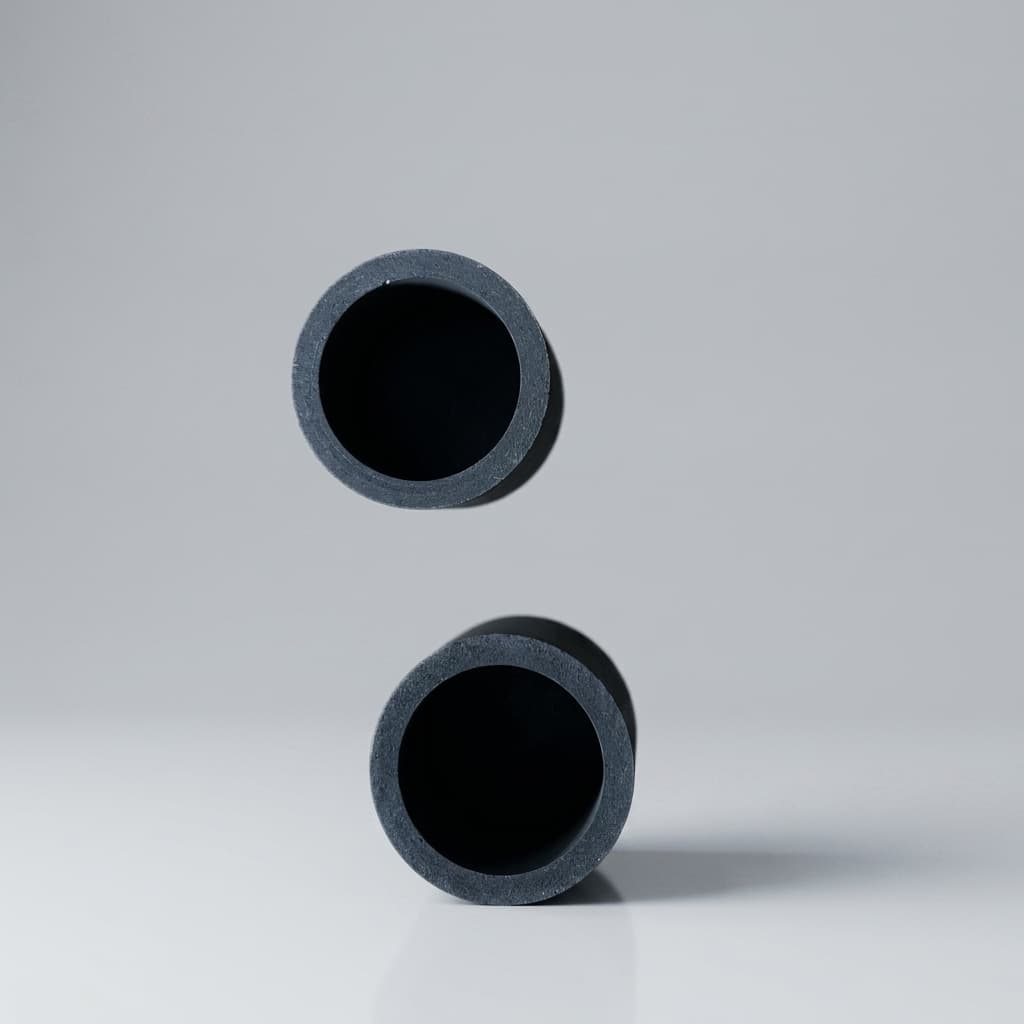
Ash Ppm And Impurity Control - High Purity OEM Graphite Component

Capability Highlights

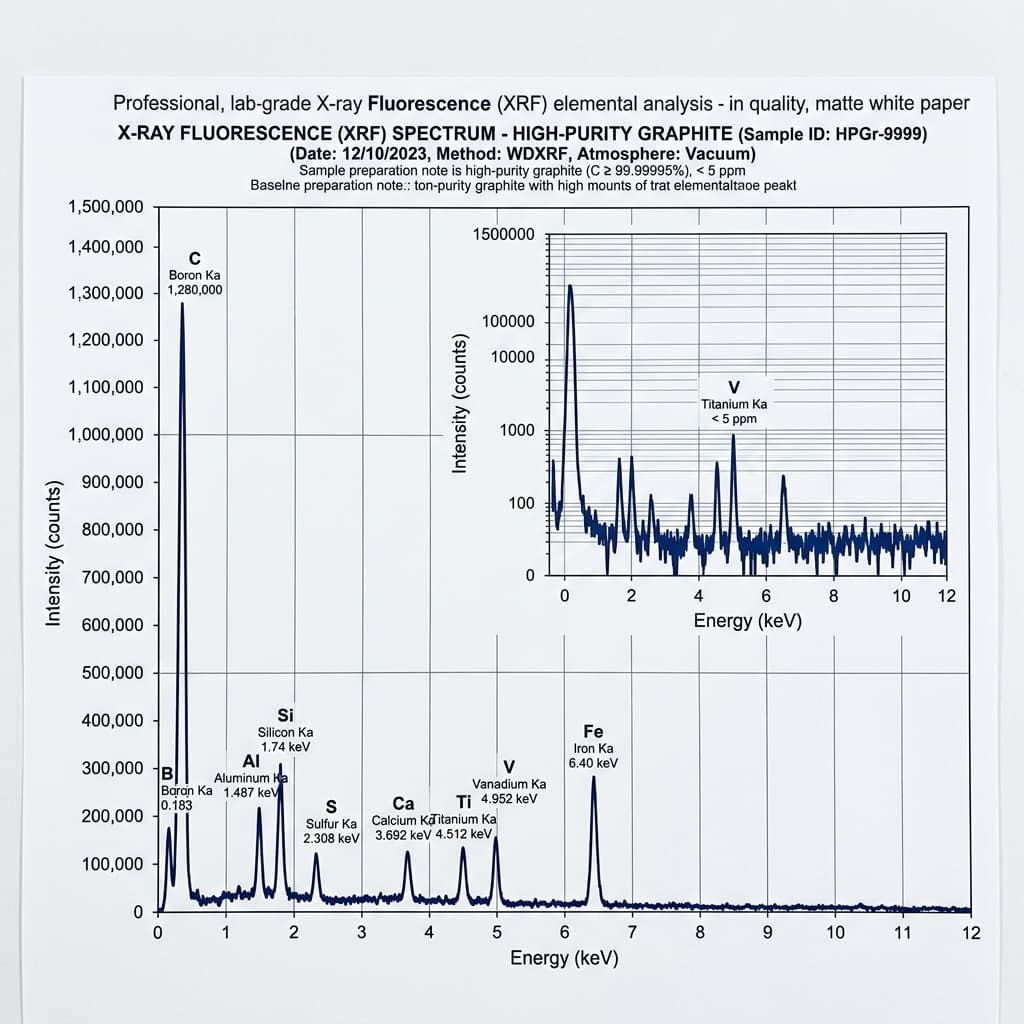
  • Ash < 10ppm common target; < 5ppm reviewed by application
  • Element-specific impurity limits aligned before sample validation
  • Batch, drawing revision, and report expectations tied to repeat supply

Typical Engagement Scope

  • SiC PVT crucibles and hot-zone graphite consumables
  • Semiconductor graphite heaters, susceptors, carriers, shields, and fixtures
  • Quality-controlled replacement programs requiring report continuity

Execution Focus

  • Total ash target versus element-specific impurity limits
  • Material lot traceability, drawing revision control, and acceptance records
  • Purification route, post-process cleaning, packaging, and report handoff

Program Evaluation Matrix

Program MetricTypical RangeProcurement Value
Ash Content< 5ppm to < 10ppmAsh target is a fast quality gate for contamination-sensitive crystal growth and semiconductor hot-zone parts.
Element LimitsDefined by buyer process and report scopeSome programs are sensitive to specific trace metals, so total ash alone may be insufficient.
Traceability DepthMaterial lot, drawing revision, process route, and reportRepeat supply requires stable evidence when geometry, grade, or process route changes.

RFQ Preparation Checklist

  1. Target ash limit and maximum allowable impurity levels by element
  2. Application process, temperature, atmosphere, and contamination concern
  3. Graphite grade, density, part geometry, and purification or coating need
  4. Preferred test/report method, sampling expectation, and acceptance threshold
  5. Batch traceability, production forecast, and repeat-order documentation needs
Risk and Mitigation

  • Contamination: Control material selection, purification route, post-process cleaning, packaging, and storage rather than relying on one final number.
  • Wrong quality metric: Separate total ash, element-specific limits, outgassing concerns, and coating requirements during RFQ.
  • Traceability gap after repeat orders: Link quote, drawing revision, material lot, inspection record, and report package to each production batch.

Related Products

XRF elemental analysis spectrum of high-purity graphite showing trace impurities below 5ppm
Ash Ppm And Impurity Control - High Purity OEM Graphite Component

Decision fit

Who should evaluate this

Quality assurance, materials engineering, process engineering, and procurement teams controlling contamination-sensitive graphite supply.

Primary proof point

Ash Content

< 5ppm to < 10ppm

Ash target is a fast quality gate for contamination-sensitive crystal growth and semiconductor hot-zone parts.

RFQ trigger

Data needed first

  • Target ash limit and maximum allowable impurity levels by element
  • Application process, temperature, atmosphere, and contamination concern
  • Graphite grade, density, part geometry, and purification or coating need

Selection and Acceptance Logic

Decision GateWhat Buyers Should CheckAcceptance Evidence
Use-case fitSiC PVT crucibles and hot-zone graphite consumables; Semiconductor graphite heaters, susceptors, carriers, shields, and fixtures; Quality-controlled replacement programs requiring report continuityApplication, furnace duty, and buyer-side validation goal are confirmed before material or process route selection.
Parameter baselineAsh Content: < 5ppm to < 10ppm; Element Limits: Defined by buyer process and report scope; Traceability Depth: Material lot, drawing revision, process route, and reportTarget ranges, report needs, and pass/fail criteria are written into the RFQ or sample approval plan.
Risk closureContamination: Control material selection, purification route, post-process cleaning, packaging, and storage rather than relying on one final number.; Wrong quality metric: Separate total ash, element-specific limits, outgassing concerns, and coating requirements during RFQ.Drawing notes, inspection scope, cleaning, coating, packaging, and traceability controls are agreed before repeat supply.
RFQ completenessTarget ash limit and maximum allowable impurity levels by element; Application process, temperature, atmosphere, and contamination concern; Graphite grade, density, part geometry, and purification or coating need; Preferred test/report method, sampling expectation, and acceptance thresholdEngineering can return a quote direction without avoidable loops for drawing, purity, coating, quantity, or delivery gaps.

Factory Execution Path

  1. 1

    Confidential RFQ intake

    Collect CAD, drawings, specifications, target reports, and NDA expectations before engineering review starts.

  2. 2

    DFM and risk review

    Check machinability, material grade, purity path, coating feasibility, tolerance stack-up, and packaging risk.

  3. 3

    Sample and inspection package

    Prepare sample scope with dimensional evidence, material records, cleaning notes, and acceptance criteria.

  4. 4

    Production handoff

    Lock revision control, batch traceability, inspection cadence, export documents, and delivery plan for repeat orders.

Evidence Buyers Can Request

  • Revision-controlled drawing pack and DFM comments before machining approval
  • Material, purification, coating, and inspection records agreed by program stage
  • Dimensional report, photo evidence, and packaging record for sample lots
  • Change-control path for post-sample engineering updates and repeat production

Claim Boundaries

  • DFM comments are preliminary until final drawings, tolerances, material route, and acceptance criteria are approved.
  • Quoted lead time and inspection scope depend on geometry complexity, purification depth, coating scope, and destination documents.
  • NDA, compliance, origin, and certification requests should be declared before quotation so document availability is explicit.

Next Internal Links

Semiconductor graphite machining

See the product-side machining scope for semiconductor graphite components.

Graphite hot zone

Connect OEM execution to complete furnace hot-zone component programs.

Request a quote

Send drawings, purity targets, forecast quantities, destination, and delivery timeline.

High-Temperature Halogen Purification

Open the related page to continue technical qualification.

High-Purity Graphite Crucible

Open the related page to continue technical qualification.

Inquiry Email

[email protected]

Email app

Attach DWG, STEP, or PDF drawings and include purity, tolerance, quantity forecast, and delivery country.

Instant Chat

+8618857971991

Chat on WhatsApp

Use WhatsApp for quick engineering clarification before a formal quote.

Buyer FAQ

How do you verify purity?

Verification method and report format are aligned by project. Buyers should define ash target, element list, sampling expectation, and acceptance threshold during RFQ.

Is total ash enough for semiconductor graphite parts?

Not always. Total ash is useful, but many buyers also specify element-level limits for metals that affect their crystal growth or furnace process.

Can reports be kept consistent across repeat orders?

Yes. Report continuity can be tied to material lot, drawing revision, purification route, inspection plan, and batch release documents.