
Crucible + complete hot-zone BOM
Product Capability
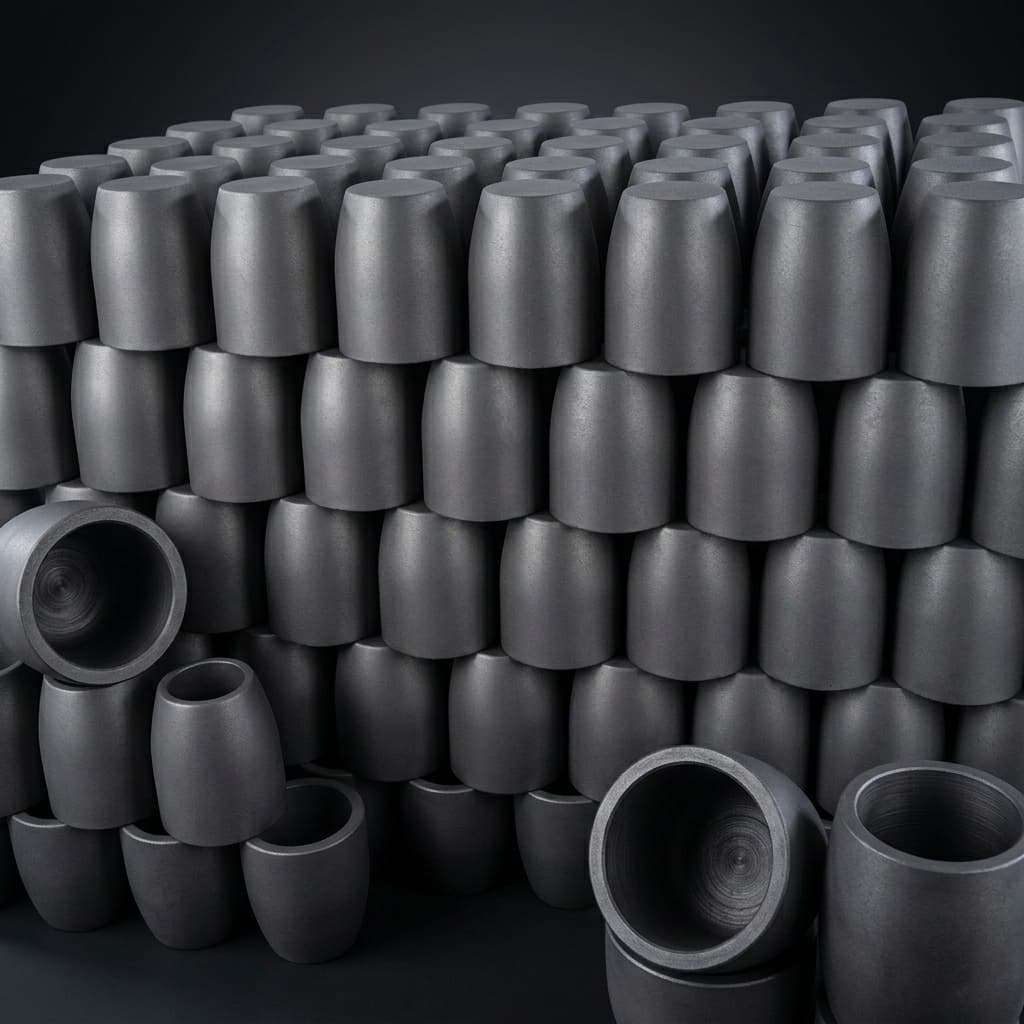
Crucible bodies, lids, sleeves, liners, seed-holder interfaces, heaters, susceptors, shields, support rings, and carbon felt insulation for SiC PVT and vacuum furnace hot zones.
Drawing-based isostatic graphite machining, purification, and coating support for crucibles, lids, heaters, susceptors, shields, and insulation used in SiC crystal growth furnaces.
Inquiry Email
Attach DWG, STEP, or PDF drawings and include purity, tolerance, quantity forecast, and delivery country.
Instant Chat
+8618857971991
Use WhatsApp for quick engineering clarification before a formal quote.
Main Duty
SiC PVT hot zone
RFQ Input
Drawing + grade
Output
Sample to batch
Crucibles, lids, rings, heaters, susceptors, shields, gas guides, holders, and insulation interfaces.
Isostatic graphite selection, ash target review, optional purification, and coating feasibility.
Critical-dimension inspection, cleaning, vacuum sealing, and export packing for fragile graphite.
What Buyers Can Qualify Here
Check product fit, drawing scope, quality records, lead-time assumptions, and repeat-supply path before opening a detailed RFQ thread.
Crucible + complete hot-zone BOM
Crucible bodies, lids, sleeves, liners, seed-holder interfaces, heaters, susceptors, shields, support rings, and carbon felt insulation for SiC PVT and vacuum furnace hot zones.
Drawing, tolerance, and surface map
Drawing-based CNC machining for OD/ID, wall thickness, grooves, threads, mating faces, concentricity, surface finish, purification, coating, and packing requirements.
Inspection and packing records
Material batch review, density and purity targets, critical-dimension inspection, CMM report options, cleaning, vacuum sealing, and export crate planning for brittle graphite parts.
Sample, revision lock, repeat batch
Prototype feasibility review, sample machining, inspection feedback, drawing revision lock, and repeat production planning aligned to furnace consumption and annual forecast.
Buyers usually need more than one crucible. A practical RFQ often includes the mating lid, liner, sleeve, susceptor, shield, support ring, heater, insulation, and packing requirements that keep the hot zone repeatable.
| Family | Included Scope | Buyer Concern |
|---|---|---|
| SiC PVT crucible set | Crucible body, lid, sleeve, liner, seed-holder interface, rings | Vapor containment, purity target, lid fit, thermal-cycle stability |
| Graphite hot-zone parts | Heaters, susceptors, shields, support rings, gas guides, holders | Thermal symmetry, electrical resistance, assembly clearance, wear cycle |
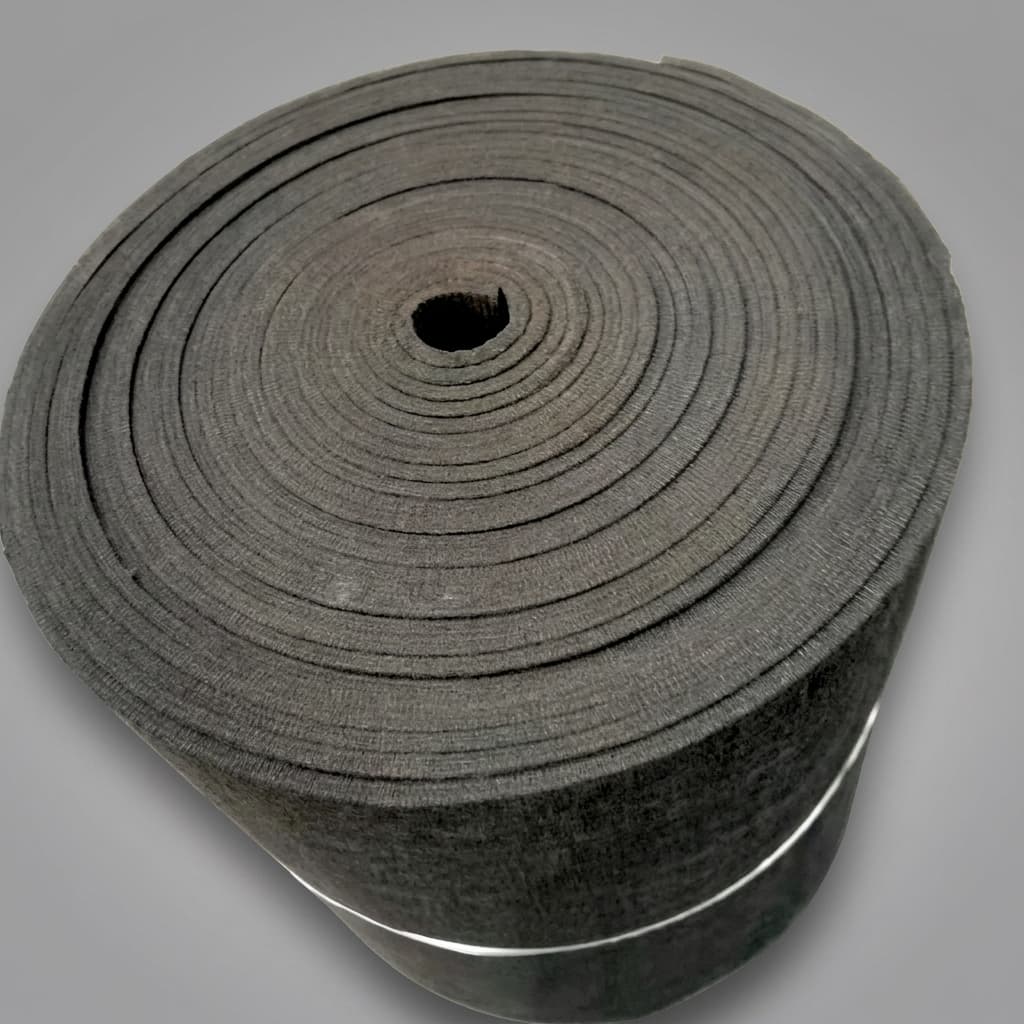
| Carbon felt insulation | Rigid felt, soft felt, insulation barrel, board, ring interfaces | Heat retention, dimensional fit, handling strength, replacement rhythm |
| Coated graphite components | TaC or CVD-SiC coated crucibles, liners, susceptors, carriers | Coating surface map, adhesion risk, pinholes, cleaning compatibility |
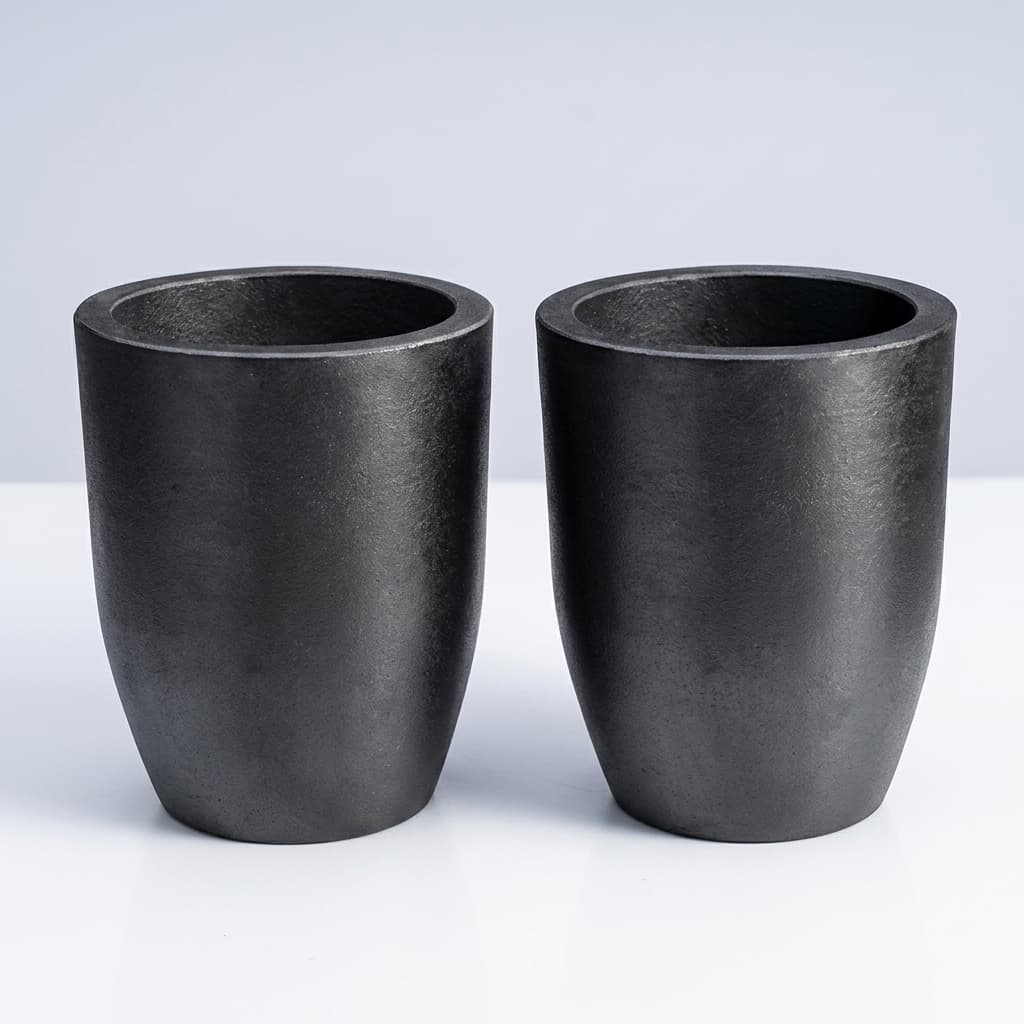
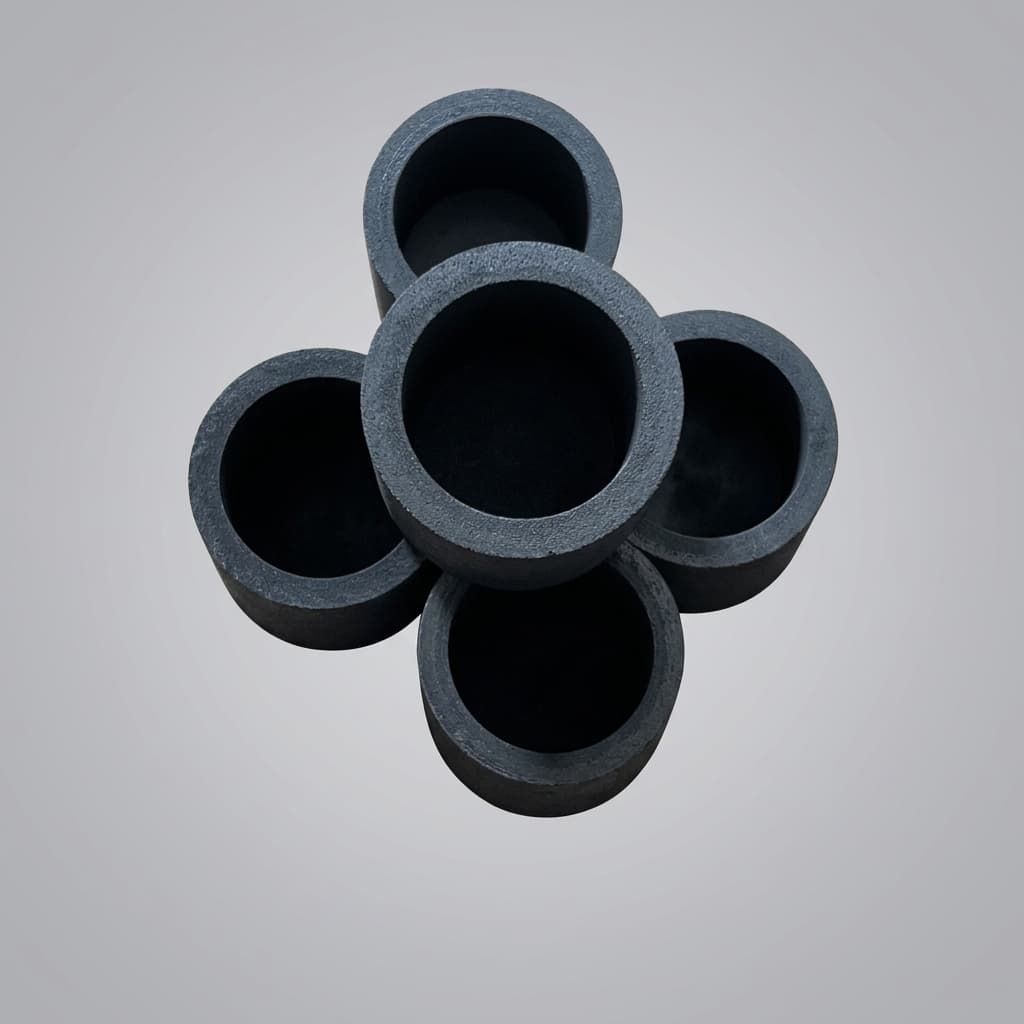
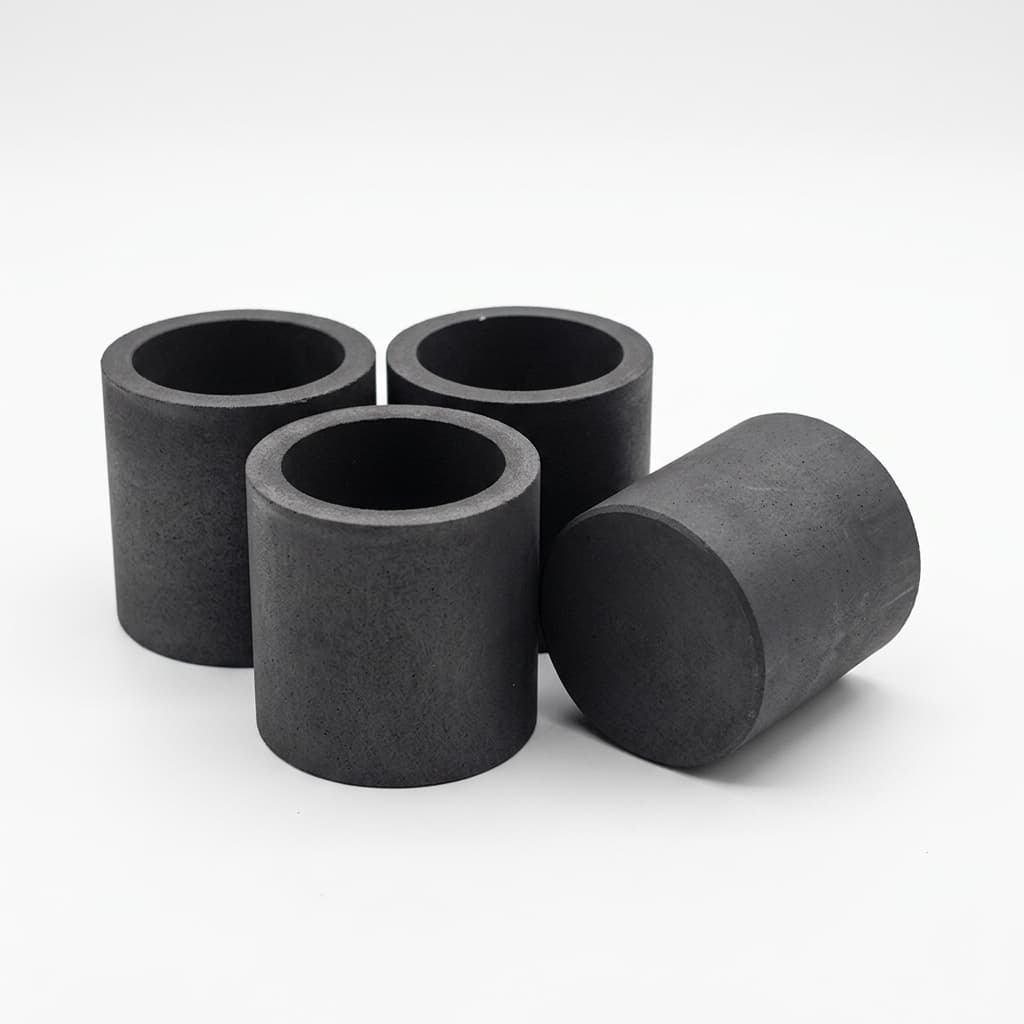
Explore our core capabilities in precision CNC machining and RFQ-reviewed halogen purification targets for SiC crystal growth and wafer manufacturing.
Qualification Metrics
Define these items early so engineering, procurement, and production teams can evaluate the same graphite part against the same acceptance basis.
High-temperature purification can be reviewed for < 10ppm and lower ash targets by graphite grade and geometry.
Critical ID, OD, wall thickness, lid fit, thread, groove, and concentricity checks are tied to approved drawings.
Typical prototype window for many CNC graphite parts, depending on material, complexity, purification, coating, and shipping route.
The fastest quote is not always the safest. For SiC PVT and high-temperature furnace consumables, the first sample should lock the material route, inspection scope, packing method, and revision control needed for repeat supply.
Confirm revision, critical dimensions, tolerance stack, mating faces, and risk features before quotation.
Match isostatic graphite grade, density, ash target, purification depth, and coating feasibility to furnace duty.
Machine first pieces, inspect critical dimensions, review fit notes, and close drawing changes before repeat orders.
Lock inspection scope, cleaning, vacuum sealing, cushioning, export crate, delivery country, and forecast cadence.
Step 1
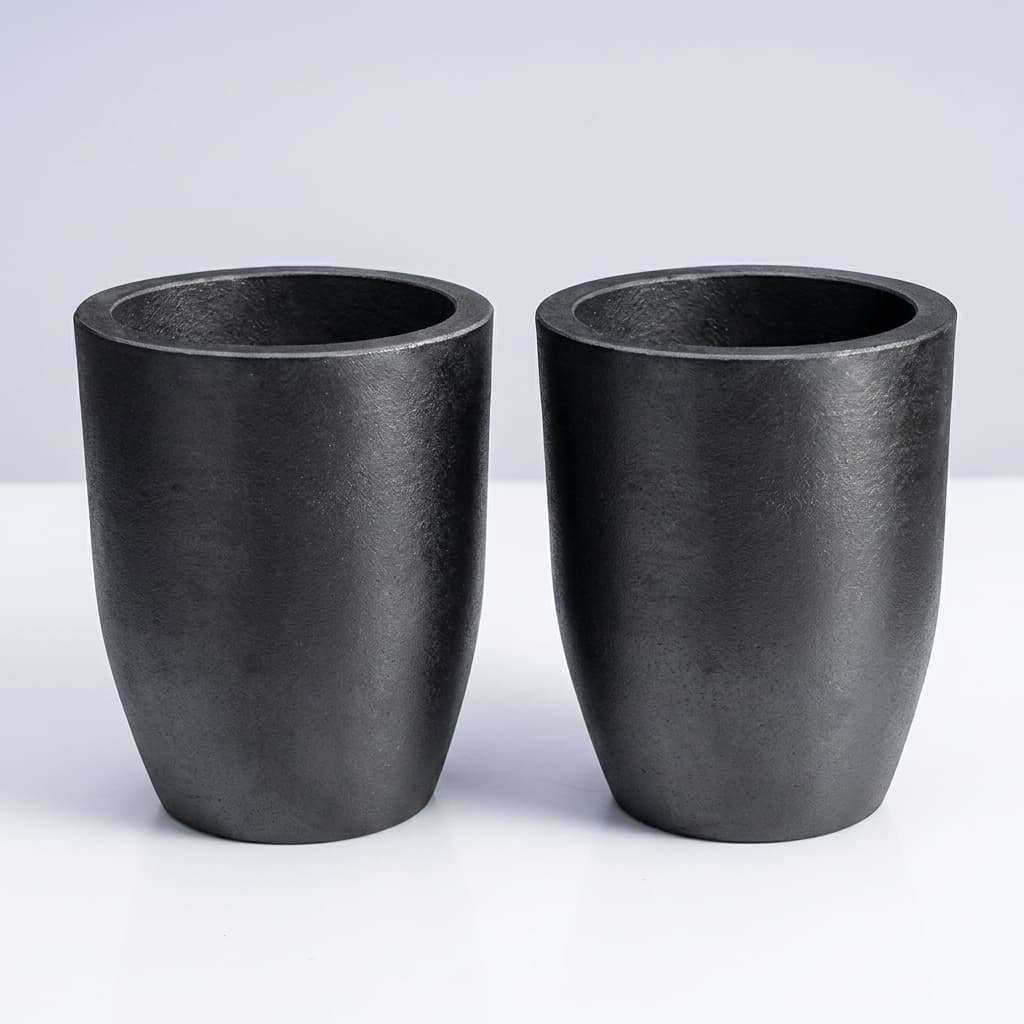
Start from architecture fit, target operating window, and interface assumptions before entering RFQ.
Step 2
Confirm your architecture against application duty, thermal envelope, and integration constraints before sample planning.
Step 3
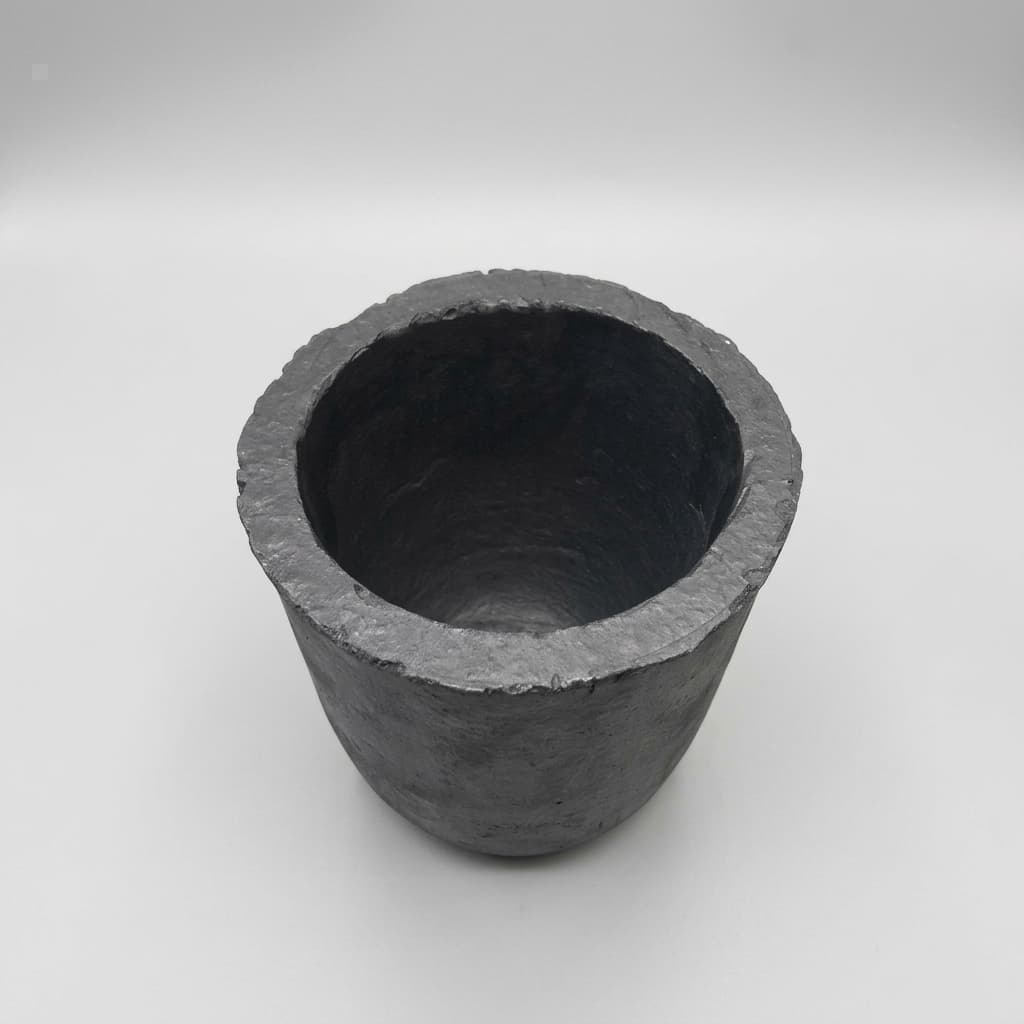
Align inspection reports, sample acceptance notes, packing method, and forecast rhythm before commercial finalization.
A crucible, susceptor, or heater should be evaluated in the context of its process. The same graphite grade can behave differently depending on temperature, atmosphere, coating, mating clearance, and replacement cycle.
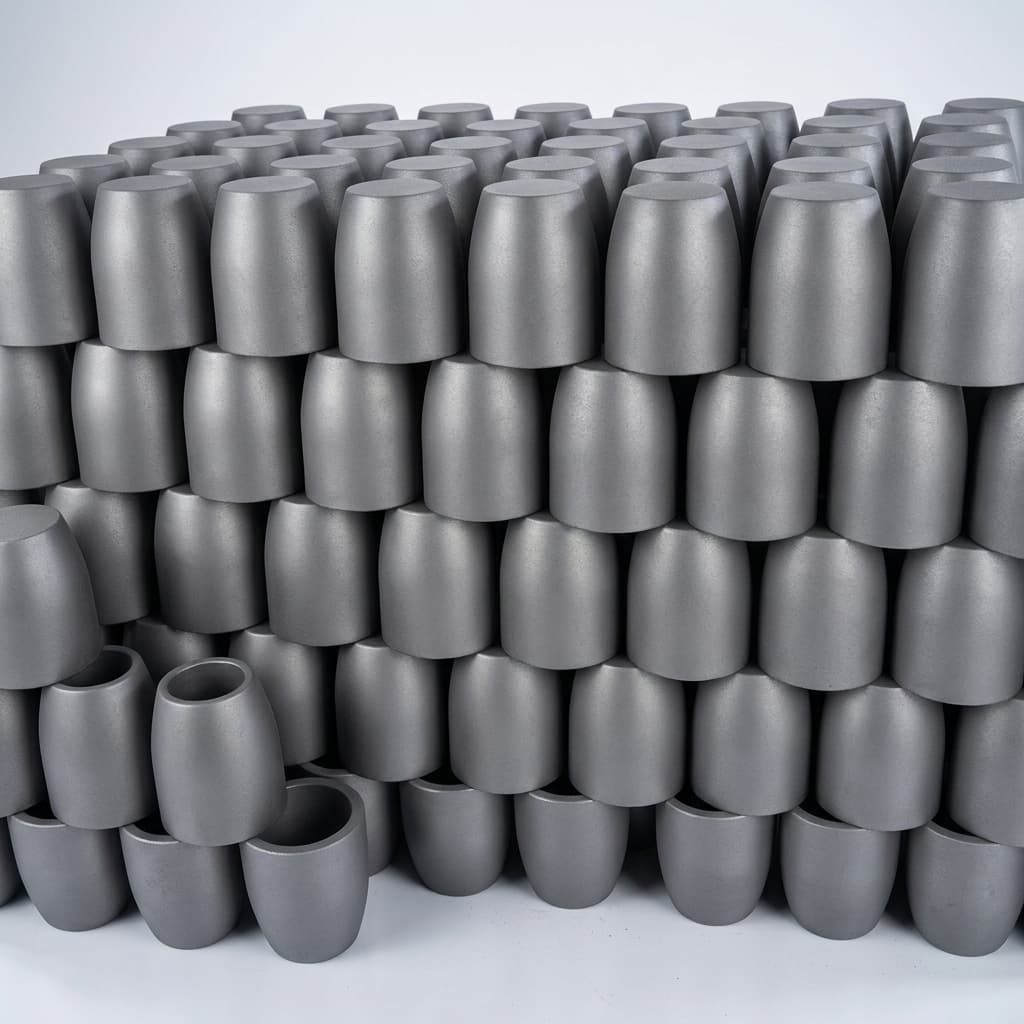
Crucibles and hot-zone consumables for sublimation growth, seed-holder alignment, and replacement planning.
View application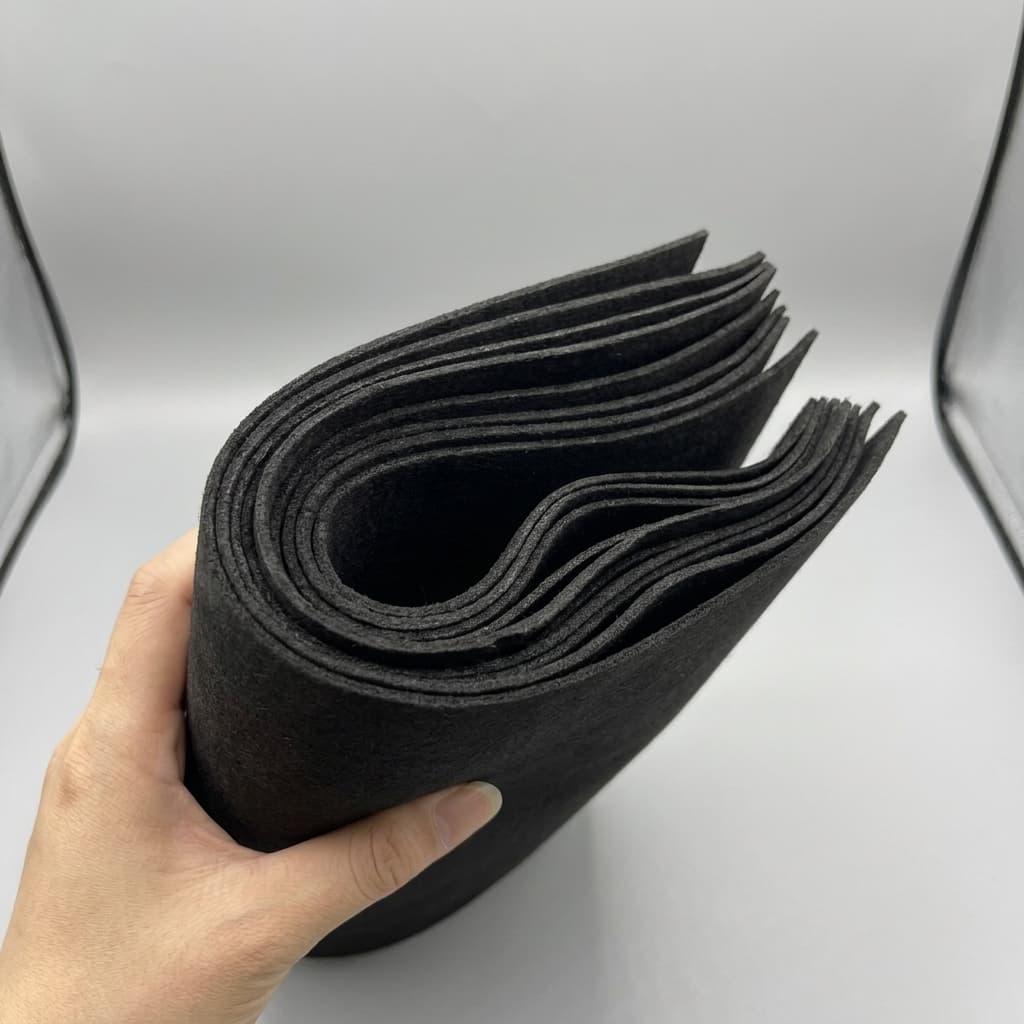
Coated susceptors, wafer carriers, and semiconductor graphite parts where contamination and seating repeatability matter.
View application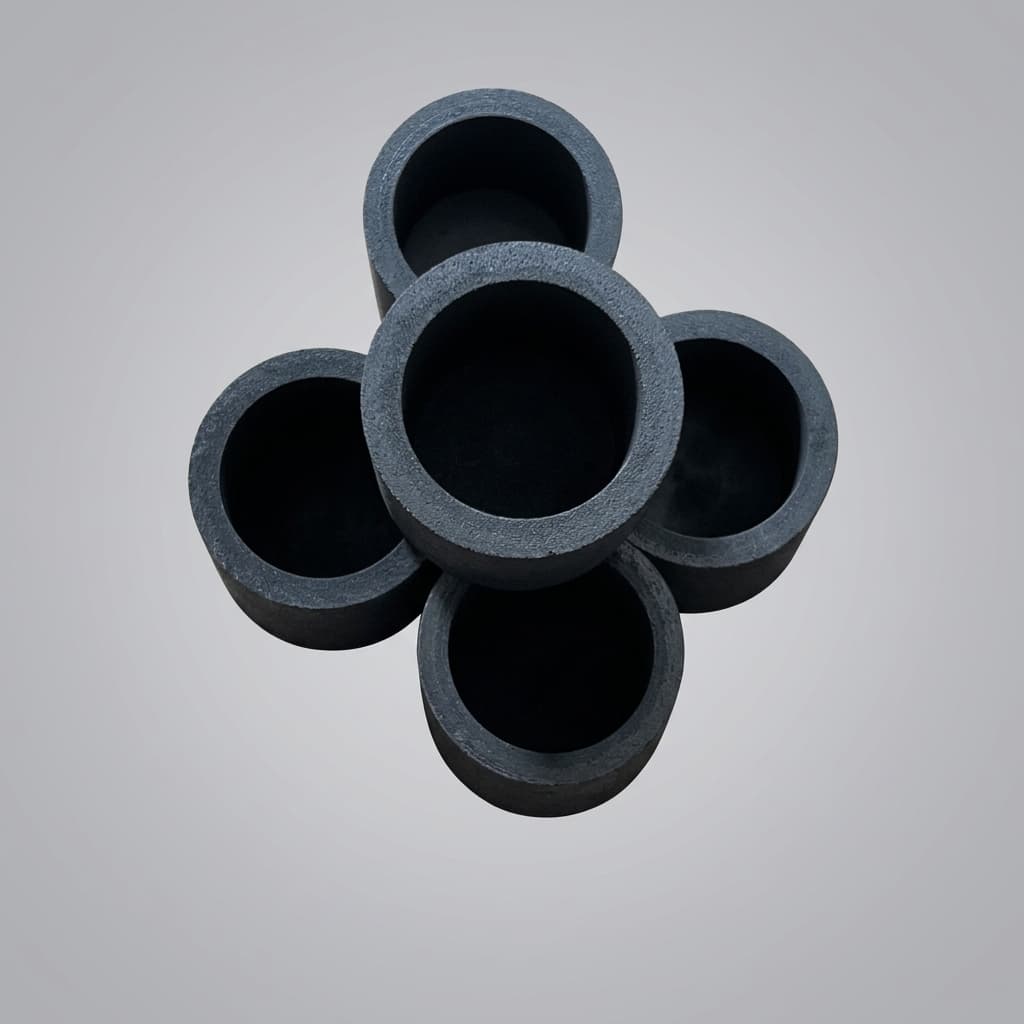
Heaters, shields, support parts, graphite insulation interfaces, and consumable BOM planning for high-temperature furnaces.
View applicationThis quick matrix helps cross-functional teams compare major options before opening a detailed RFQ thread.
| Family | Best Fit | Key Metric | Why It Matters |
|---|---|---|---|
| SiC Crystal Growth Crucible | Semiconductor crystal growth laboratories, SiC wafer manufacturers, and PVT furnace operators qualifying repeatable crucible consumables. | Ash Content: < 10ppm; < 5ppm reviewed by application | Lower ash and controlled trace metals reduce contamination risk during high-temperature SiC sublimation growth. |
| High-Purity Graphite Crucible | Process engineers and procurement teams qualifying purified graphite crucibles for repeat furnace consumption. | Ash Content: < 10ppm; < 5ppm by RFQ | Lower ash and metal residues reduce impurity transfer during high-temperature crystal growth. |
| Isostatic Graphite Crucible | Furnace builders and crystal growth teams replacing consumable graphite crucible sets by drawing. | Bulk Density: Approx. 1.80-1.90 g/cm3 by grade | Uniform density helps stabilize heat transfer and mechanical strength during repeated cycles. |
| SiC PVT Crucible | PVT furnace operators and SiC process engineers qualifying repeatable crucible consumables. | Purity Target: < 10ppm; < 5ppm reviewed by application | SiC PVT growth is sensitive to metal impurities and outgassing from graphite consumables. |
| TaC Coated Graphite Crucible | SiC wafer manufacturers and crystal growth teams evaluating TaC-coated consumables to reduce graphite interaction and extend replacement intervals. | TaC Coating Route: CVD TaC; thickness defined by RFQ | Dense coating can reduce direct graphite exposure and particle risk in high-temperature SiC growth environments. |
| Porous Graphite with TaC Coating | Crystal growth process engineers tuning vapor transport, source behavior, and particle risk in SiC PVT reactors. | Porosity: Application-specific; common programs review 15-18% | Porosity affects vapor transport, thermal behavior, strength, and particle risk. |
| MOCVD Susceptor & Wafer Carrier | Epitaxy process engineers, equipment maintenance teams, and procurement groups replacing coated graphite wafer carriers by drawing. | Coating Selection: CVD SiC or TaC by process chemistry | Coating choice affects chemical resistance, particle behavior, and wafer contamination risk. |
| CVD-SiC Coated Graphite Susceptor | Epitaxy process engineers and equipment maintenance teams replacing coated graphite susceptors by drawing. | Coating Route: CVD SiC on isostatic graphite by RFQ | A dense coating reduces direct graphite exposure, particle risk, and corrosive gas attack in epitaxy environments. |
| Graphite Hot Zone | Furnace builders, SiC process engineers, and maintenance teams replacing graphite hot-zone consumables. | Max Operating Temp: Up to 2800°C | Graphite grade, heater geometry, and insulation stack must match repeated high-temperature cycling. |
| Graphite Susceptor | Equipment OEMs and process engineers specifying thermal coupling, wafer support, or furnace susceptor geometry. | Thermal Uniformity: Defined by furnace and geometry | Uniform heat transfer reduces process variation across wafer or crucible interfaces. |
| Graphite Heater | Furnace OEMs and maintenance teams replacing or redesigning graphite heating elements. | Resistance Control: Project-specific by geometry and grade | Stable resistance reduces uneven heating and helps protect furnace recipes. |
| PAN Carbon Felt Insulation | Thermal engineers and furnace operators specifying insulation fit, purity, and replacement cycle. | Insulation Format: Soft felt, rigid board, cylinder, ring, or custom shape | Format determines installation fit, heat-loss control, and replacement speed inside the hot zone. |
| Graphite Felt Insulation | Thermal engineers and furnace operators specifying insulation life, heat loss, and outgassing behavior. | Insulation Format: Soft felt, rigid felt board, cylinder, or ring | Format controls installation fit, thermal gradient stability, and replacement workflow. |
| Graphite Crucible Lid & Cover | PVT process engineers and furnace maintenance teams replacing graphite crucible subcomponents by drawing. | Assembly Fit: Defined by drawing and mating crucible interface | Lid, liner, and sleeve fit influence vapor containment, thermal symmetry, and repeatability. |
| Rigid Carbon Felt Board | Thermal engineers, furnace builders, and maintenance buyers specifying insulation stability and repeat replacement schedules. | Insulation Format: Rigid board, cylinder, ring, or custom formed part | The format determines installation fit, thermal gradient stability, and replacement workflow. |
| Semiconductor Graphite Machining | Semiconductor equipment OEMs, process engineers, and procurement teams qualifying custom graphite components from drawings. | Machining Tolerance: Project-specific; tight features reviewed by drawing | Tolerance stack-up affects drop-in fit, sealing, wafer seating, and thermal-field repeatability. |
| Silicon Carbide Graphite Crucible for Metal Melting | Foundry managers, casting engineers, and metal refinery procurement teams replacing crucibles on a regular consumption cycle. | Max Service Temperature: 1400-1600°C (oxidizing); 1800°C+ (inert) | Temperature ceiling determines crucible material grade, glaze route, and expected service life per furnace type. |
| Clay Graphite Crucible | Precious metal refiners, assay laboratories, jewelry foundries, and small-batch casting operations ordering crucibles on regular replacement cycles. | Graphite Content: High natural flake graphite ratio | Higher graphite content improves thermal conductivity, reduces melt-down time, and enhances thermal shock resistance. |
| Recrystallized Silicon Carbide (RSiC) Kiln Furniture | Kiln operators, ceramic manufacturers, powder metallurgy plants, and industrial furnace integrators replacing kiln furniture on wear and deformation cycles. | Max Continuous Use Temperature: 1650°C in oxidizing atmosphere | RSiC maintains full mechanical strength and zero creep at temperatures where conventional SiC ceramics begin to soften. |
Practical sourcing, design, and validation guides for global procurement and engineering teams. Read technical insights from our graphite machining experts.
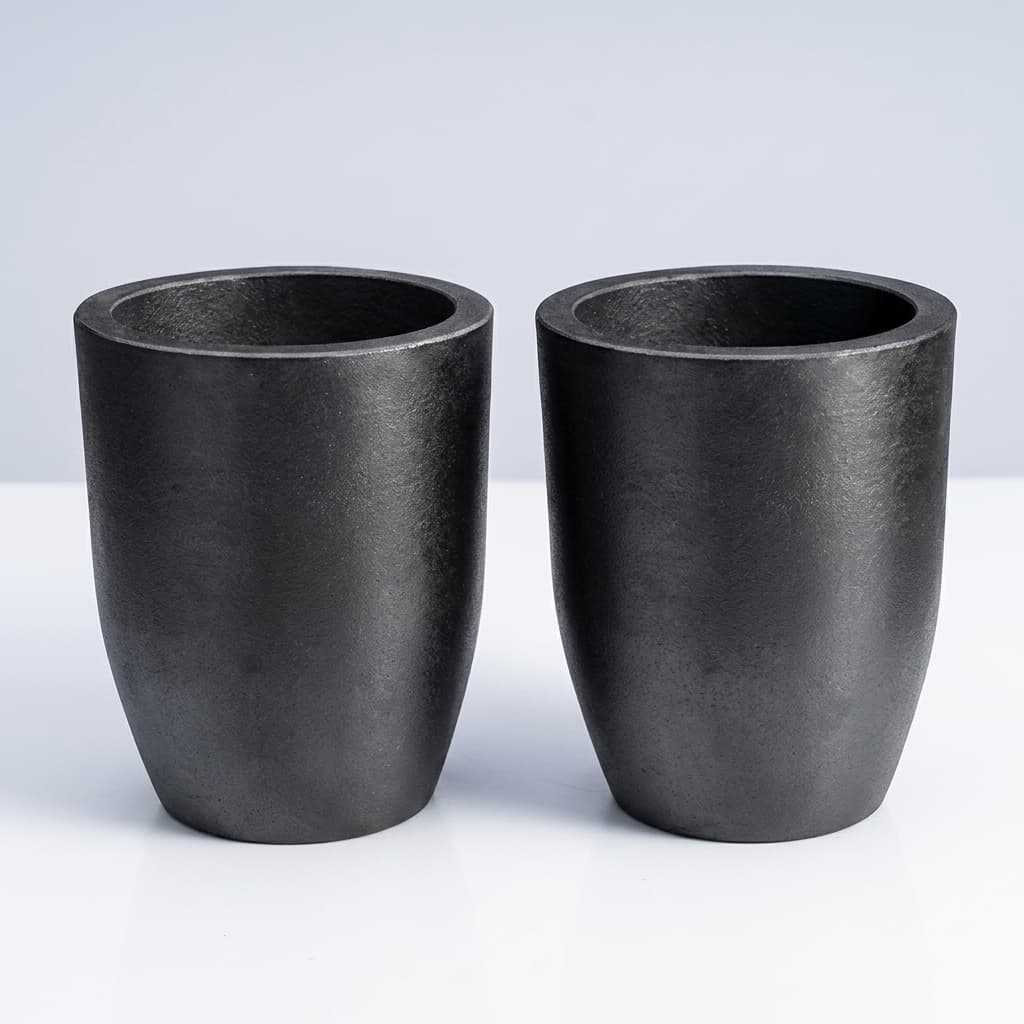
Use this RFQ guide to manage silicon vapor leakage in SiC PVT graphite crucibles with density, thread tolerance, labyrinth seal, and TaC coating checks.

Evaluate isostatic graphite grain size for SiC PVT crucibles, from CNC thread integrity to TaC coating fit, thermal shock trade-offs, and RFQ checks.
Use density and porosity limits to qualify SiC PVT graphite crucibles, control vapor penetration, reduce impurity risk, and compare supplier datasheets.
Technical & Procurement FAQ
A clear first RFQ lets engineering confirm feasibility before a price is issued, especially when purification, coating, or brittle export packing are part of the requirement.
Send the part drawing, furnace application, material requirement, tolerance notes, surface treatment, quantity plan, and delivery country. We will review feasibility, sample path, and quote basis.
Inquiry Email
Attach DWG, STEP, or PDF drawings and include purity, tolerance, quantity forecast, and delivery country.
Instant Chat
+8618857971991
Use WhatsApp for quick engineering clarification before a formal quote.
For SiC PVT (Physical Vapor Transport) crystal growth, the crucible is not just a container; it is a critical thermal and chemical boundary. Evaluating graphite suppliers based only on price or basic dimensions often leads to severe crystal defects such as micropipes, inclusions, or polytypes. Start your evaluation here:
| Decision Stage | Best Page | What You Gain |
|---|---|---|
| Architecture fit | Products | Compare product families, integration options, and RFQ input requirements. |
| Application risk | Solutions / Applications | Review scenario-based risk controls and measurable validation checkpoints. |
| Reference research | Engineering Blog | Review buyer-side checklists, sourcing methods, and design notes before freezing specs. |
| Commercial baseline | About | Understand team profile, process capability, and cooperation model before shortlisting a supplier. |
| Manufacturing capabilities | Machining & Purity Controls | Understand DFM, prototype control, quality records, and export delivery governance. |
| Execution start | Contact / RFQ | Use the inquiry checklist to reduce quote loops and get a faster actionable response. |
For deeper decision support, review our engineering blog where each post includes practical buyer-side checklists.