SiC Crystal Crucibles - OEM Graphite Machining Manufacturer Logo
SiC Crystal Crucibles
Start inquiry
SiC Crystal Crucibles - OEM Graphite Machining Manufacturer Logo
SiC Crystal Crucibles
Consult Engineering via WhatsApp
SiC Crystal Crucibles - OEM Graphite Machining Manufacturer Logo
SiC Crystal Crucibles

China-based custom graphite manufacturer supporting precision machining, RFQ-defined ash targets, and export delivery planning.

Inquiry Email

[email protected]

Email app

Attach DWG, STEP, or PDF drawings and include purity, tolerance, quantity forecast, and delivery country.

Instant Chat

+8618857971991

Chat on WhatsApp

Use WhatsApp for quick engineering clarification before a formal quote.

Factory Addr:Liaoyang, Liaoning, China (Xingde Graphite manufacturing partner)

Email:[email protected]

WhatsApp:+86 18857971991

Products & Consumables
  • SiC Crystal Growth Crucible
  • TaC Coated Crucible
  • High-Purity Graphite Crucible
  • Isostatic Graphite Crucible
  • SiC PVT Crucible
  • Porous Graphite (TaC)
  • Graphite Susceptor
  • MOCVD Wafer Carrier
  • Graphite Heater
  • Graphite Hot Zone
  • PAN Carbon Felt
  • Graphite Felt Insulation
  • Rigid Carbon Felt Board
  • Graphite Crucible Lid & Cover
  • CVD-SiC Coated Susceptor
  • Semiconductor Graphite Machining
Solutions & Applications
  • SiC PVT Crystal Growth
  • SiC Wafer Manufacturing
  • Vacuum Furnace Hot Zone
  • Crystal Growth Laboratory
  • High-Temperature Furnace Consumables
OEM Capabilities
  • High-Temp Purification
  • CVD Coating Service
  • Precision Machining
  • Ash PPM & Impurity Control
  • Drawing-Based Graphite Parts
  • Inspection & Packaging
Resources
  • Insights
  • About Factory
  • Request a Quote
  • Privacy Policy
  • Terms of Service
© 2026 SiC Crystal Crucibles. All Rights Reserved.|Manufacturing support coordinated with Liaoyang Xingde Graphite for high-purity isostatic graphite machining and purification.
← Back to Solutions

Crystal Growth Laboratory Supply

Prototype graphite crucibles, lids, heaters, insulation parts, and custom fixtures for SiC crystal growth laboratories and R&D furnace programs.

Target Buyer:Research scientists, principal investigators, lab engineers, and R&D procurement teams needing practical prototype support.
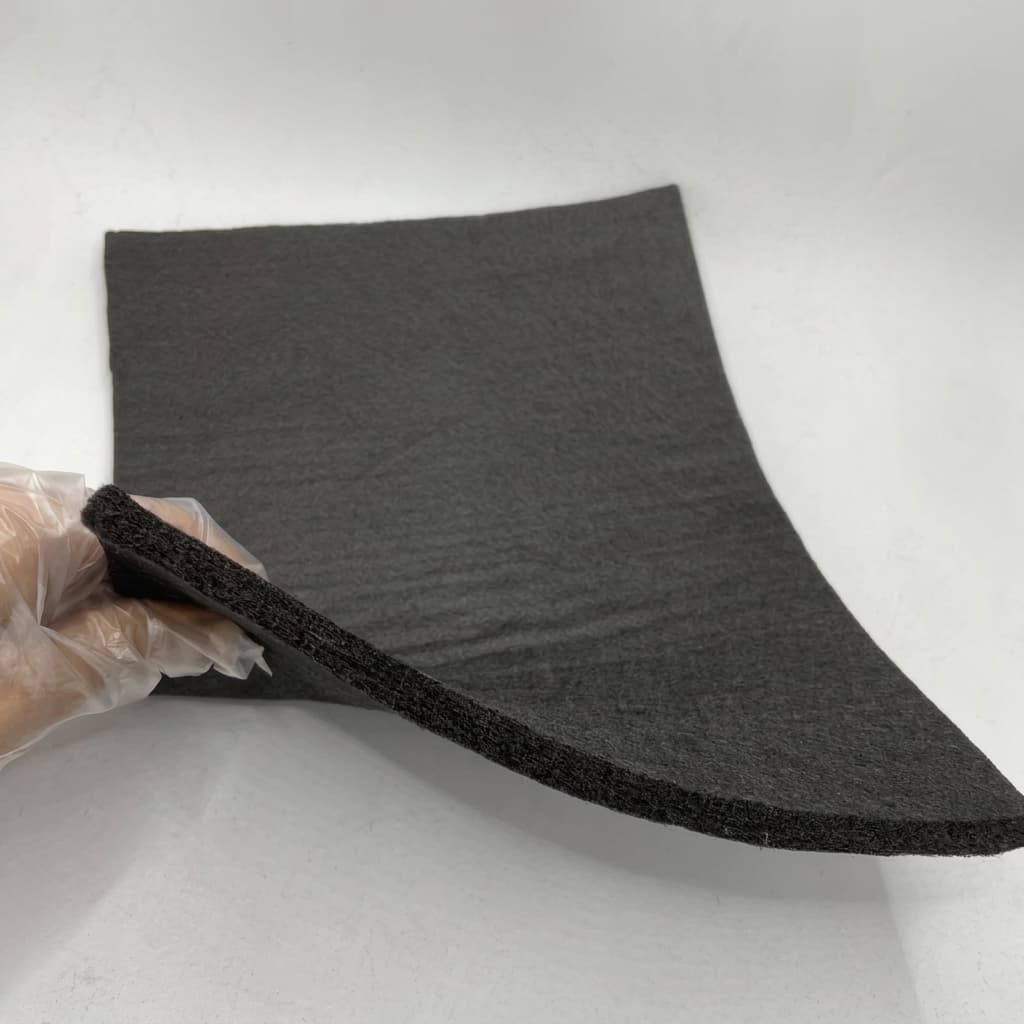
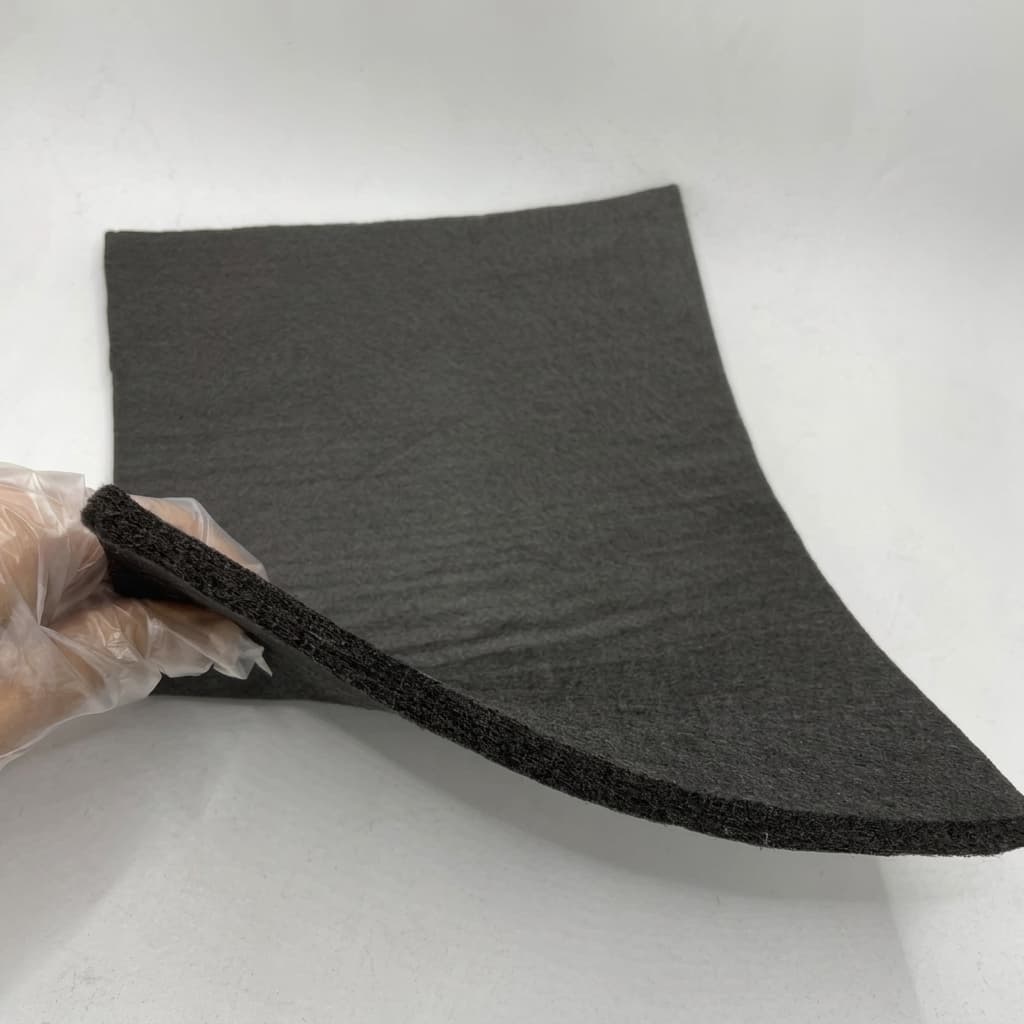
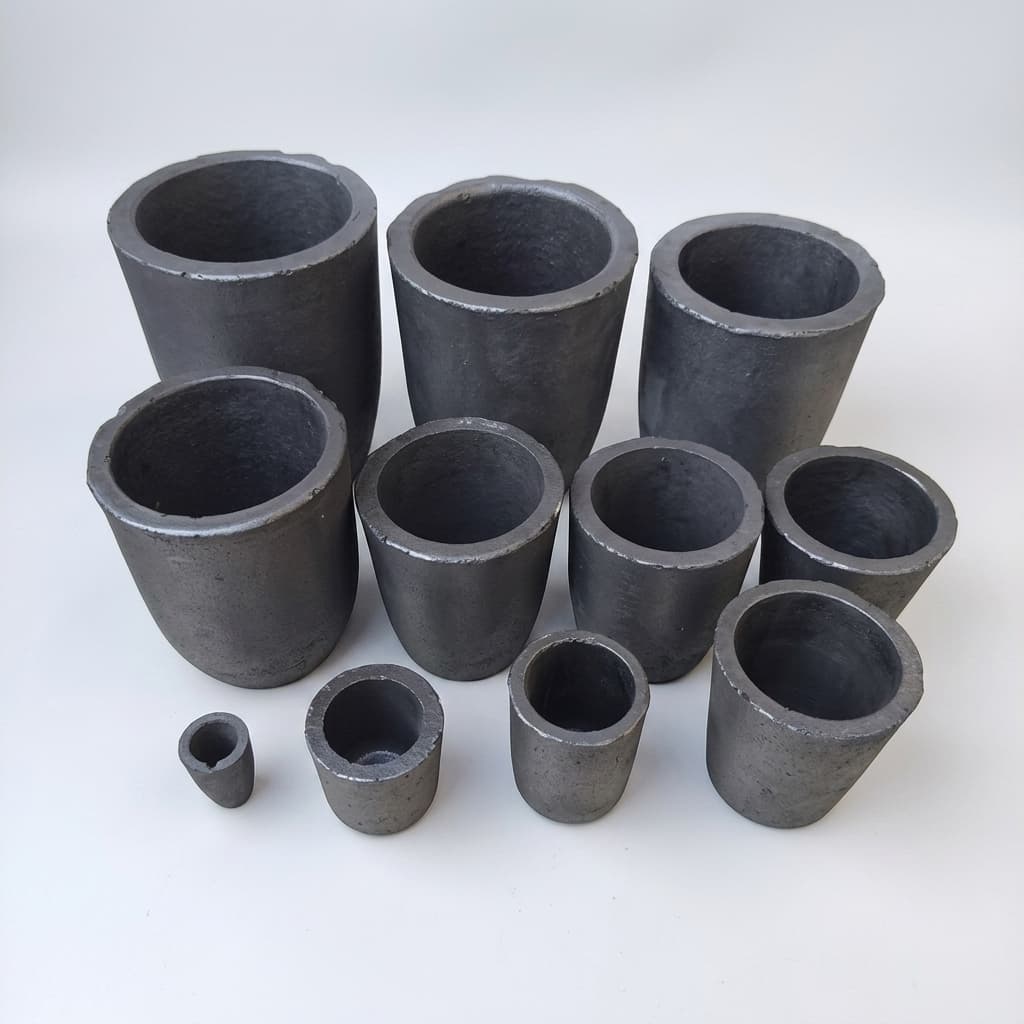
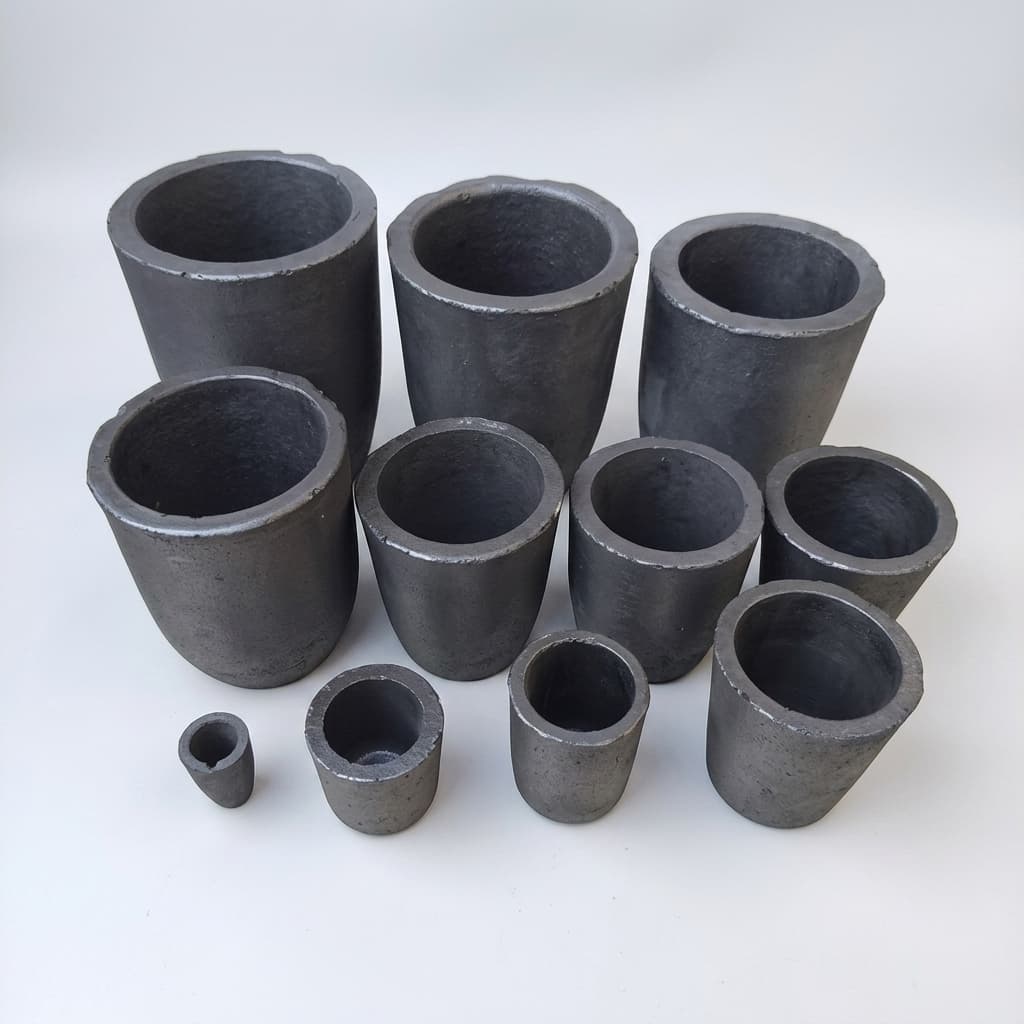
Crystal Growth Laboratory for Semiconductor Crystal Growth

Solution Highlights

  • Prototype quantities for crucibles, lids, rings, heaters, and insulation interfaces
  • Material, purity, and drawing feedback suitable for experimental iteration
  • Small-batch traceability and revision control for repeatable lab trials

Common Use Cases

  • University SiC and crystal growth laboratories
  • Corporate R&D centers qualifying PVT or high-temperature furnace designs
  • Pilot experiments before production hot-zone consumable programs

Implementation Focus

  • Purity consistency and traceability for comparable experiment runs
  • Prototype machinability, tolerance realism, and furnace fit
  • Fast drawing iteration without losing revision control or acceptance criteria

Application Evaluation Matrix

Evaluation MetricTypical RangeBuyer Relevance
Prototype ScopeCrucibles, lids, rings, heaters, supports, fixtures, and felt partsLabs often need a mixed set of furnace interfaces, not one standard catalog part.
Revision TraceabilityDrawing revision and material lot by project needComparable experimental runs require knowing which geometry and material route changed.
Sample Lead-Time InputsDepends on drawing, material, purification, and coatingPrototype timing is only realistic after geometry and post-process needs are understood.

RFQ Preparation Checklist

  1. Experiment objective, furnace type, target temperature, and atmosphere
  2. Sketch, CAD, sample photo, or 2D drawing with critical dimensions
  3. Material grade, ash target, coating, insulation, or cleaning requirements
  4. Prototype quantity, acceptable dimensional tolerance, and target test date
  5. Known uncertainty: geometry, purity, coating, budget, or delivery constraint

Risk and Mitigation

  • Batch variation between experiments: Agree material lot traceability, drawing revision, and process route when repeatable test comparison matters.
  • Prototype design not machinable: Use DFM review for wall thickness, sharp corners, threads, holes, and handling points before cutting graphite.
  • Incomplete RFQ data: Start with a sketch or rough furnace envelope, but mark unknown values clearly so engineering can return a focused clarification list.

Recommended Products

Crystal Growth Laboratory for Semiconductor Crystal Growth

Decision fit

Who should evaluate this

Research scientists, principal investigators, lab engineers, and R&D procurement teams needing practical prototype support.

Primary proof point

Prototype Scope

Crucibles, lids, rings, heaters, supports, fixtures, and felt parts

Labs often need a mixed set of furnace interfaces, not one standard catalog part.

RFQ trigger

Data needed first

  • Experiment objective, furnace type, target temperature, and atmosphere
  • Sketch, CAD, sample photo, or 2D drawing with critical dimensions
  • Material grade, ash target, coating, insulation, or cleaning requirements

Selection and Acceptance Logic

Decision GateWhat Buyers Should CheckAcceptance Evidence
Use-case fitUniversity SiC and crystal growth laboratories; Corporate R&D centers qualifying PVT or high-temperature furnace designs; Pilot experiments before production hot-zone consumable programsApplication, furnace duty, and buyer-side validation goal are confirmed before material or process route selection.
Parameter baselinePrototype Scope: Crucibles, lids, rings, heaters, supports, fixtures, and felt parts; Revision Traceability: Drawing revision and material lot by project need; Sample Lead-Time Inputs: Depends on drawing, material, purification, and coatingTarget ranges, report needs, and pass/fail criteria are written into the RFQ or sample approval plan.
Risk closureBatch variation between experiments: Agree material lot traceability, drawing revision, and process route when repeatable test comparison matters.; Prototype design not machinable: Use DFM review for wall thickness, sharp corners, threads, holes, and handling points before cutting graphite.Drawing notes, inspection scope, cleaning, coating, packaging, and traceability controls are agreed before repeat supply.
RFQ completenessExperiment objective, furnace type, target temperature, and atmosphere; Sketch, CAD, sample photo, or 2D drawing with critical dimensions; Material grade, ash target, coating, insulation, or cleaning requirements; Prototype quantity, acceptable dimensional tolerance, and target test dateEngineering can return a quote direction without avoidable loops for drawing, purity, coating, quantity, or delivery gaps.

Factory Execution Path

  1. 1

    Use-case mapping

    Map the current furnace architecture, consumable wear pattern, purity risk, and replacement schedule.

  2. 2

    Component shortlist

    Select crucibles, heaters, susceptors, insulation, shields, and support parts that match the thermal-field duty.

  3. 3

    Validation planning

    Define sample quantities, acceptance evidence, inspection reports, and qualification steps before recurring supply.

  4. 4

    Supply continuity

    Plan batch traceability, annual forecast, packaging controls, and shipment windows for repeat consumables.

Evidence Buyers Can Request

  • Component-level BOM mapping across crucible, heater, susceptor, shield, and insulation families
  • Purity, thermal duty, and replacement-cycle assumptions documented for engineering review
  • Sample validation plan with measurable acceptance criteria before annual supply planning
  • Packaging and logistics plan matched to fragile hot-zone consumables and destination requirements

Claim Boundaries

  • Application guidance is a sourcing and validation aid, not a guarantee of crystal yield or furnace process outcome.
  • Thermal-field fit depends on the buyer chamber, temperature profile, atmosphere, and mating component drawings.
  • Purity, coating, and inspection records should be agreed before sample approval and attached to the formal RFQ package.

Next Internal Links

Product portfolio

Compare crucibles, heaters, susceptors, felt insulation, and machined graphite parts.

High-purity graphite purification

Review ash and impurity controls for contamination-sensitive furnace consumables.

Drawing-based graphite parts

Prepare custom OEM parts when standard geometry cannot match the furnace interface.

SiC Crystal Growth Crucible

Open the related page to continue technical qualification.

Submit RFQ (Drawings & Specs)

Open the related page to continue technical qualification.

Inquiry Email

[email protected]

Email app

Attach DWG, STEP, or PDF drawings and include purity, tolerance, quantity forecast, and delivery country.

Instant Chat

+8618857971991

Chat on WhatsApp

Use WhatsApp for quick engineering clarification before a formal quote.

Buyer FAQ

Do you support academic or R&D prototype quantities?

Yes. We can review small prototype lots when drawings, furnace context, and acceptance criteria are clear enough for machining and material selection.

Can you work from a sketch before the final drawing?

Yes. A sketch can start DFM discussion, but final quotation and manufacturing require enough dimensions, tolerances, and material requirements to control the sample.

How can labs keep experiments comparable?

Keep drawing revisions, material route, purification or coating choices, and inspection notes tied to each sample lot.