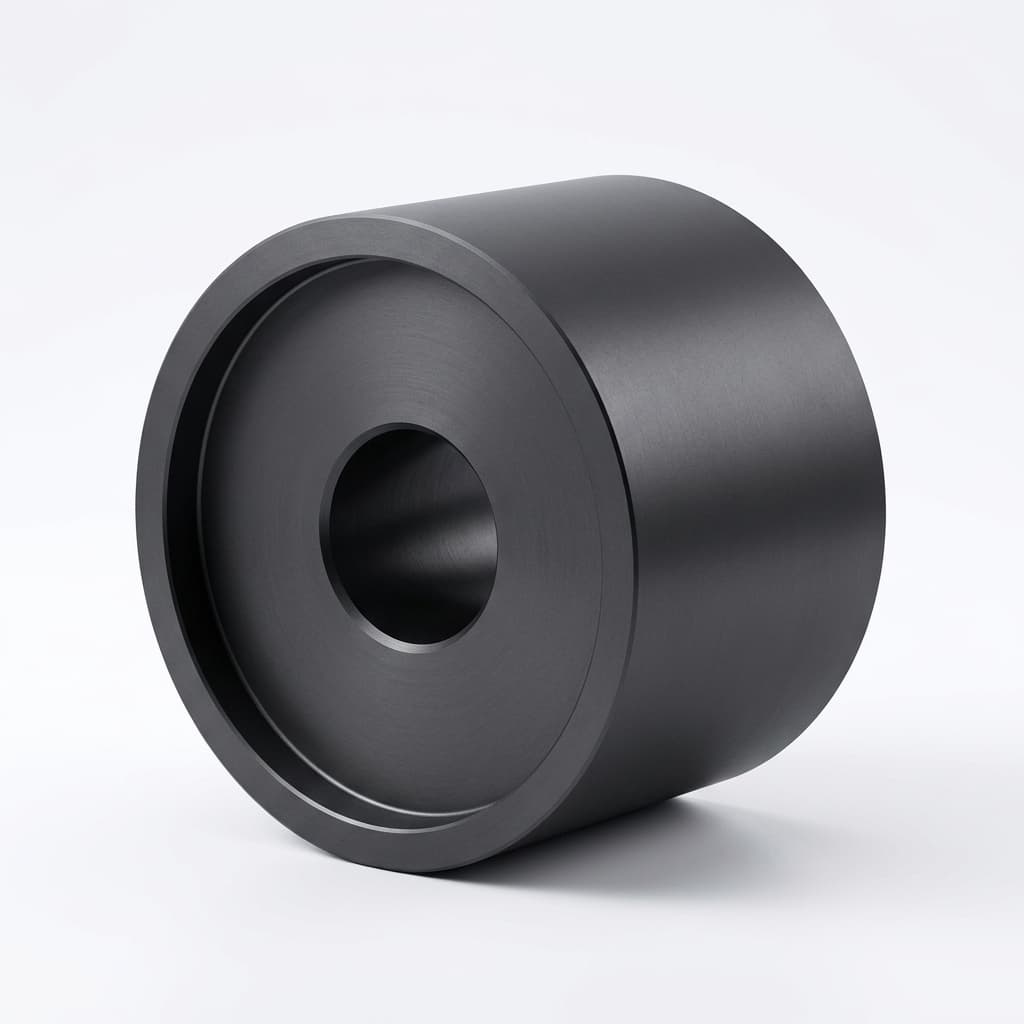
| SiC Crystal Growth Crucible | Semiconductor crystal growth laboratories, SiC wafer manufacturers, and PVT furnace operators qualifying repeatable crucible consumables. | Ash Content: < 10ppm; < 5ppm reviewed by application | Lower ash and controlled trace metals reduce contamination risk during high-temperature SiC sublimation growth. |
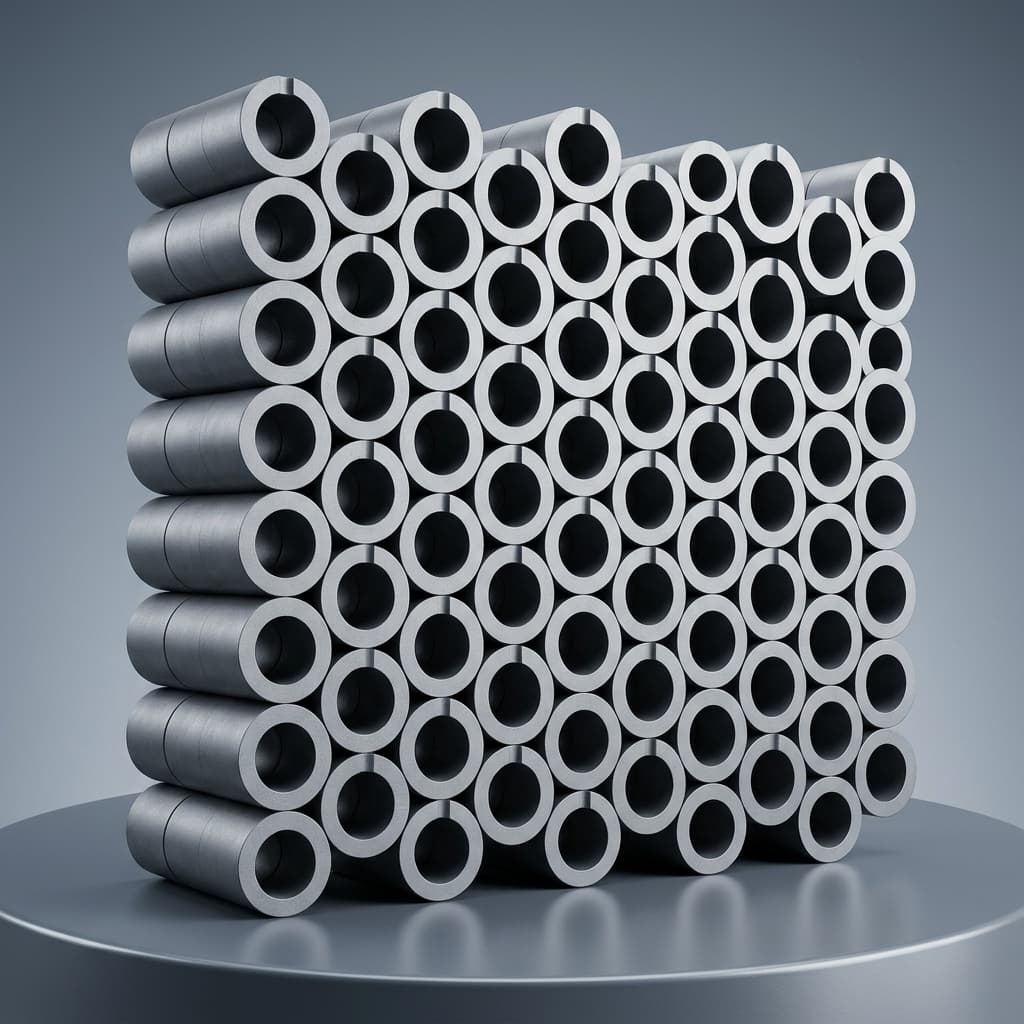
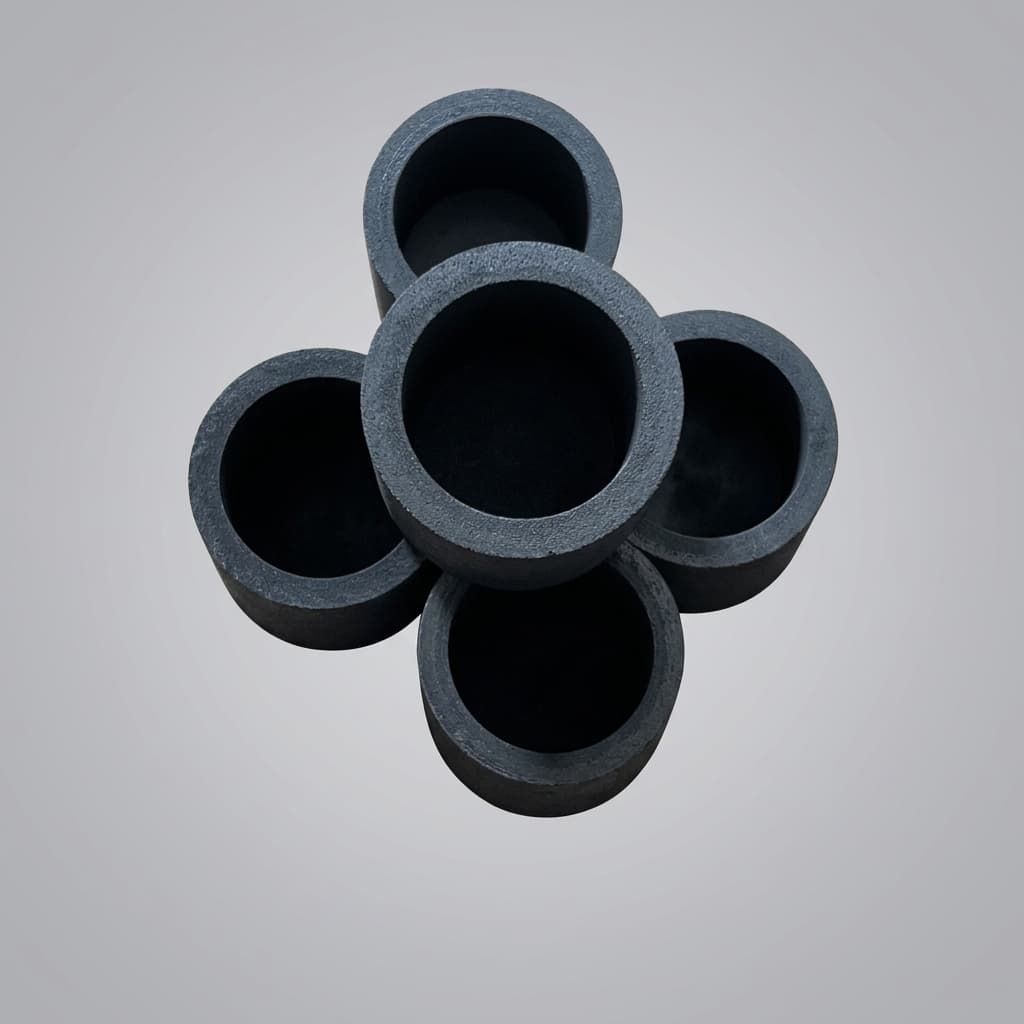
| High-Purity Graphite Crucible | Process engineers and procurement teams qualifying purified graphite crucibles for repeat furnace consumption. | Ash Content: < 10ppm; < 5ppm by RFQ | Lower ash and metal residues reduce impurity transfer during high-temperature crystal growth. |
| Isostatic Graphite Crucible | Furnace builders and crystal growth teams replacing consumable graphite crucible sets by drawing. | Bulk Density: Approx. 1.80-1.90 g/cm3 by grade | Uniform density helps stabilize heat transfer and mechanical strength during repeated cycles. |
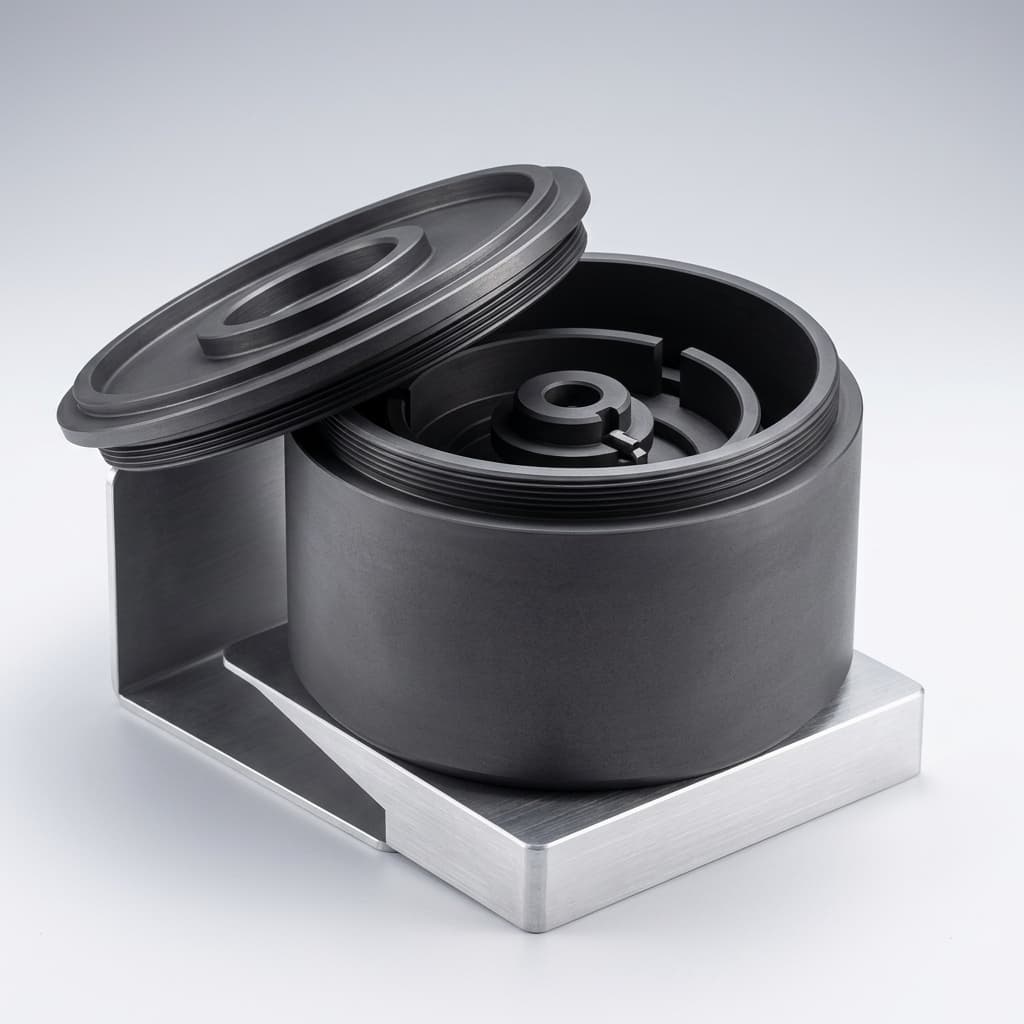
| SiC PVT Crucible | PVT furnace operators and SiC process engineers qualifying repeatable crucible consumables. | Purity Target: < 10ppm; < 5ppm reviewed by application | SiC PVT growth is sensitive to metal impurities and outgassing from graphite consumables. |
| TaC Coated Graphite Crucible | SiC wafer manufacturers and crystal growth teams evaluating TaC-coated consumables to reduce graphite interaction and extend replacement intervals. | TaC Coating Route: CVD TaC; thickness defined by RFQ | Dense coating can reduce direct graphite exposure and particle risk in high-temperature SiC growth environments. |
| Porous Graphite with TaC Coating | Crystal growth process engineers tuning vapor transport, source behavior, and particle risk in SiC PVT reactors. | Porosity: Application-specific; common programs review 15-18% | Porosity affects vapor transport, thermal behavior, strength, and particle risk. |
| MOCVD Susceptor & Wafer Carrier | Epitaxy process engineers, equipment maintenance teams, and procurement groups replacing coated graphite wafer carriers by drawing. | Coating Selection: CVD SiC or TaC by process chemistry | Coating choice affects chemical resistance, particle behavior, and wafer contamination risk. |
| CVD-SiC Coated Graphite Susceptor | Epitaxy process engineers and equipment maintenance teams replacing coated graphite susceptors by drawing. | Coating Route: CVD SiC on isostatic graphite by RFQ | A dense coating reduces direct graphite exposure, particle risk, and corrosive gas attack in epitaxy environments. |
| Graphite Hot Zone | Furnace builders, SiC process engineers, and maintenance teams replacing graphite hot-zone consumables. | Max Operating Temp: Up to 2800°C | Graphite grade, heater geometry, and insulation stack must match repeated high-temperature cycling. |
| Graphite Susceptor | Equipment OEMs and process engineers specifying thermal coupling, wafer support, or furnace susceptor geometry. | Thermal Uniformity: Defined by furnace and geometry | Uniform heat transfer reduces process variation across wafer or crucible interfaces. |
| Graphite Heater | Furnace OEMs and maintenance teams replacing or redesigning graphite heating elements. | Resistance Control: Project-specific by geometry and grade | Stable resistance reduces uneven heating and helps protect furnace recipes. |
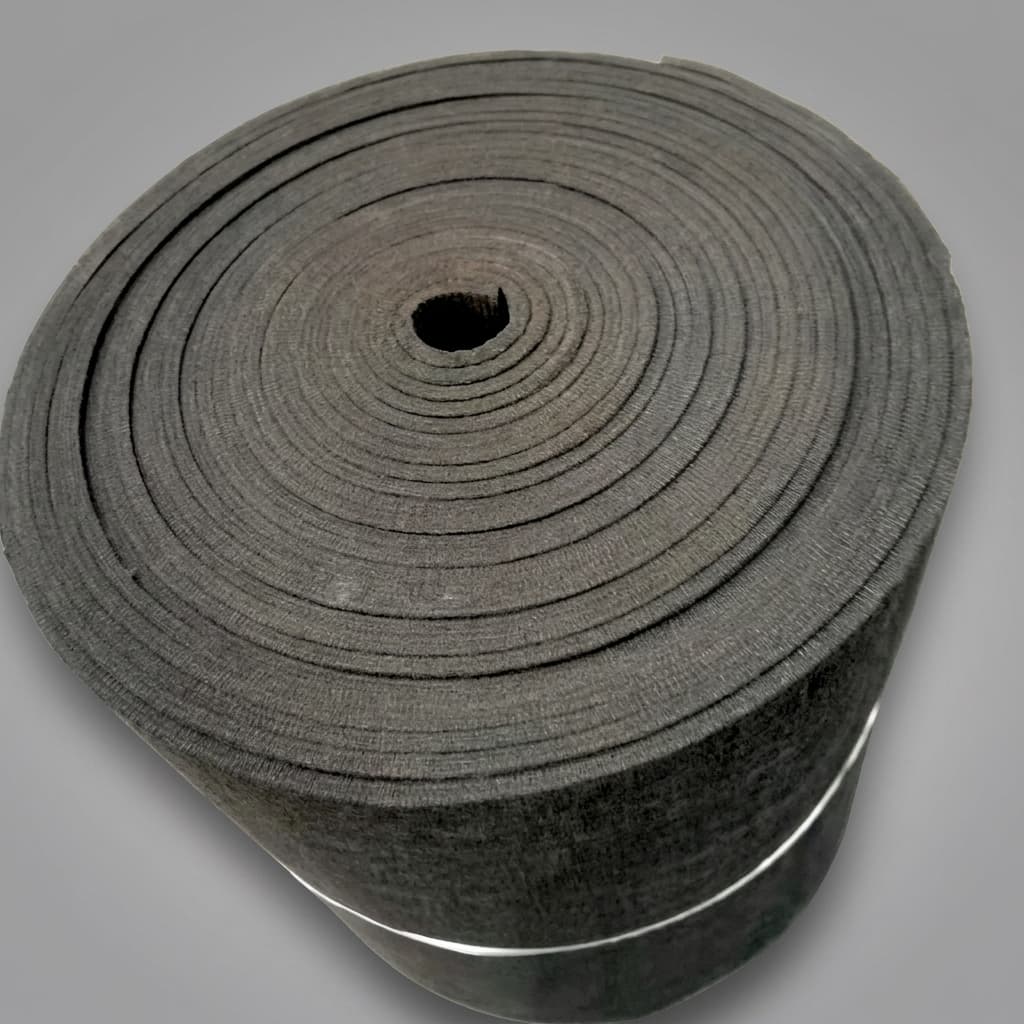
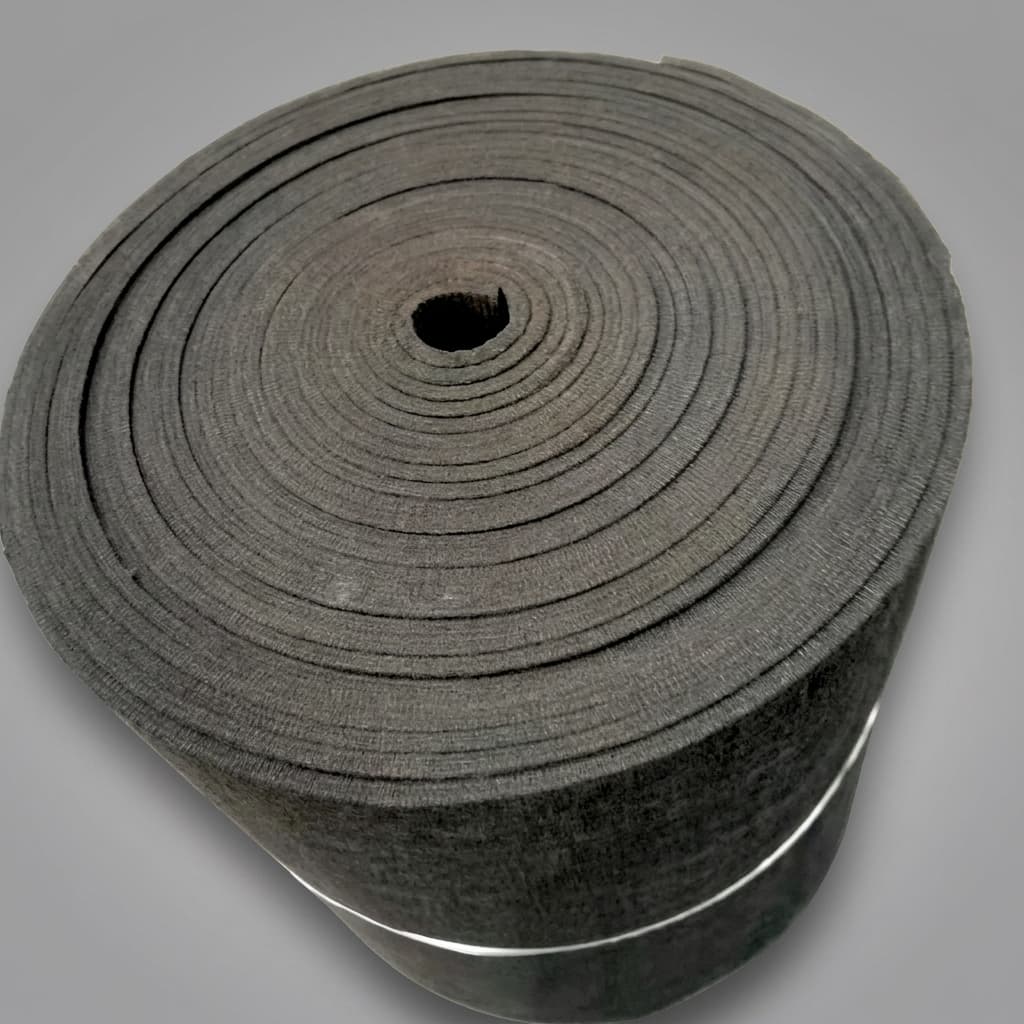
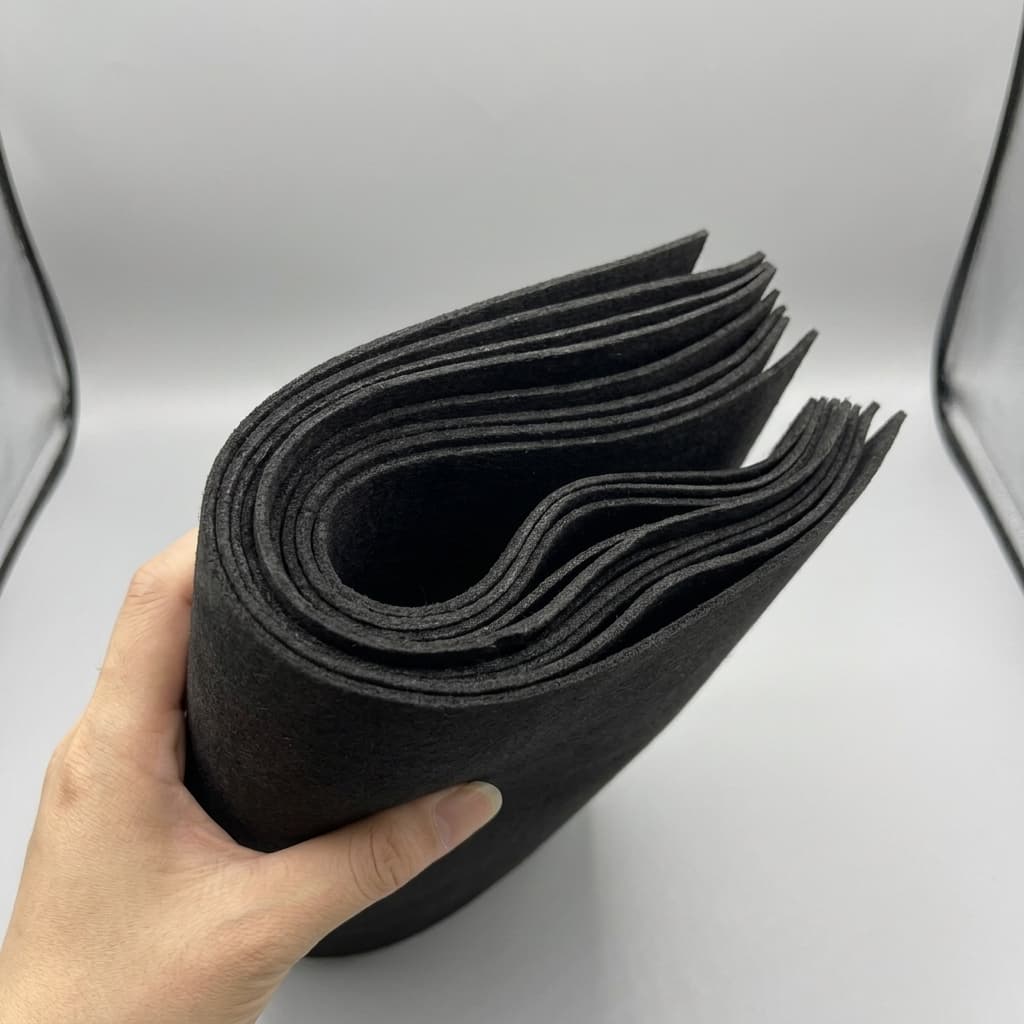
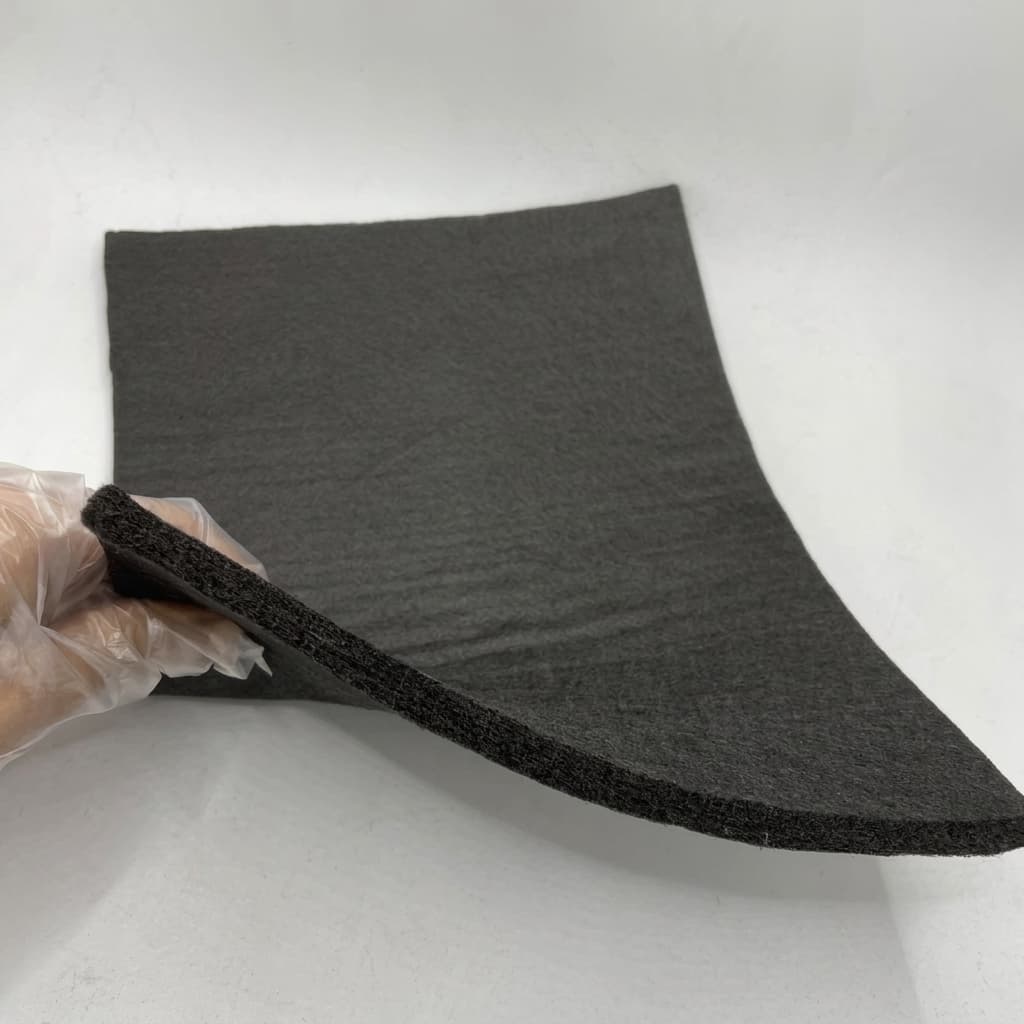
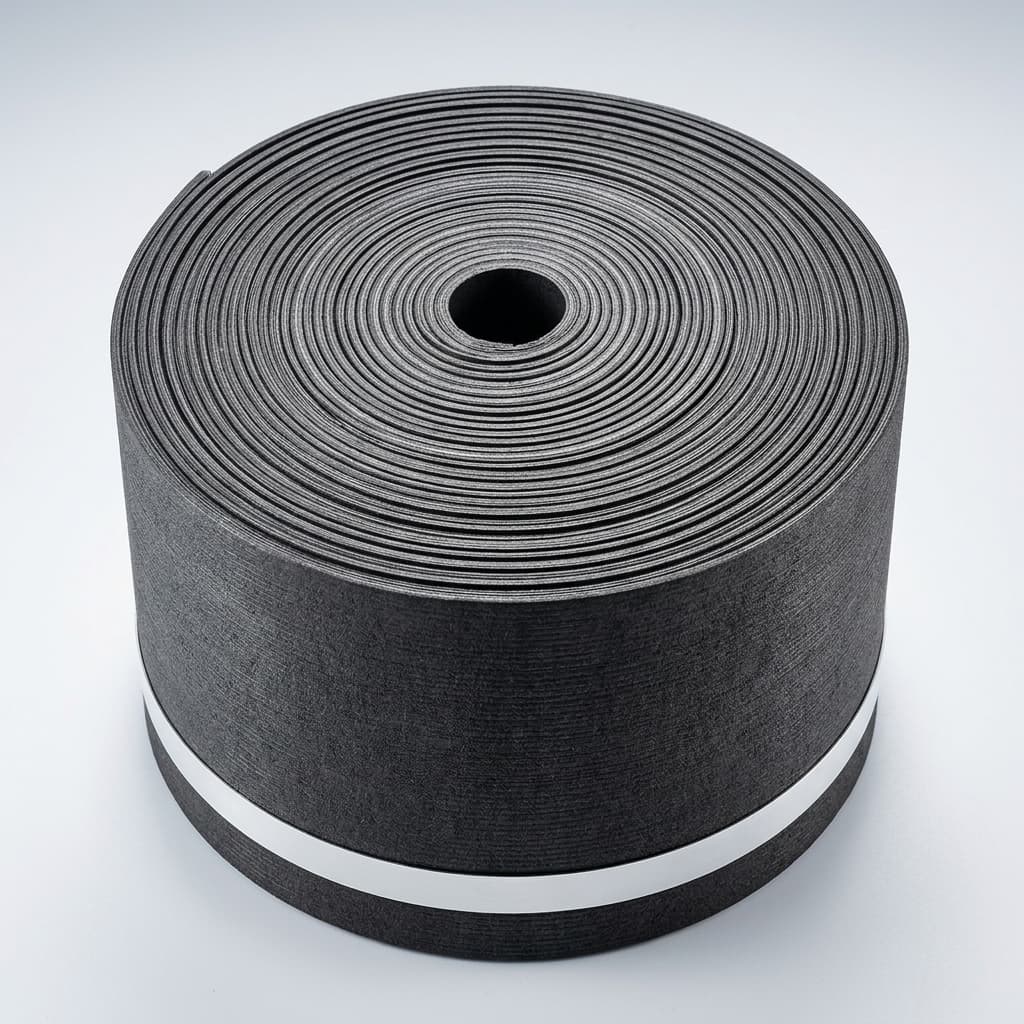
| PAN Carbon Felt Insulation | Thermal engineers and furnace operators specifying insulation fit, purity, and replacement cycle. | Insulation Format: Soft felt, rigid board, cylinder, ring, or custom shape | Format determines installation fit, heat-loss control, and replacement speed inside the hot zone. |
| Graphite Felt Insulation | Thermal engineers and furnace operators specifying insulation life, heat loss, and outgassing behavior. | Insulation Format: Soft felt, rigid felt board, cylinder, or ring | Format controls installation fit, thermal gradient stability, and replacement workflow. |
| Graphite Crucible Lid & Cover | PVT process engineers and furnace maintenance teams replacing graphite crucible subcomponents by drawing. | Assembly Fit: Defined by drawing and mating crucible interface | Lid, liner, and sleeve fit influence vapor containment, thermal symmetry, and repeatability. |
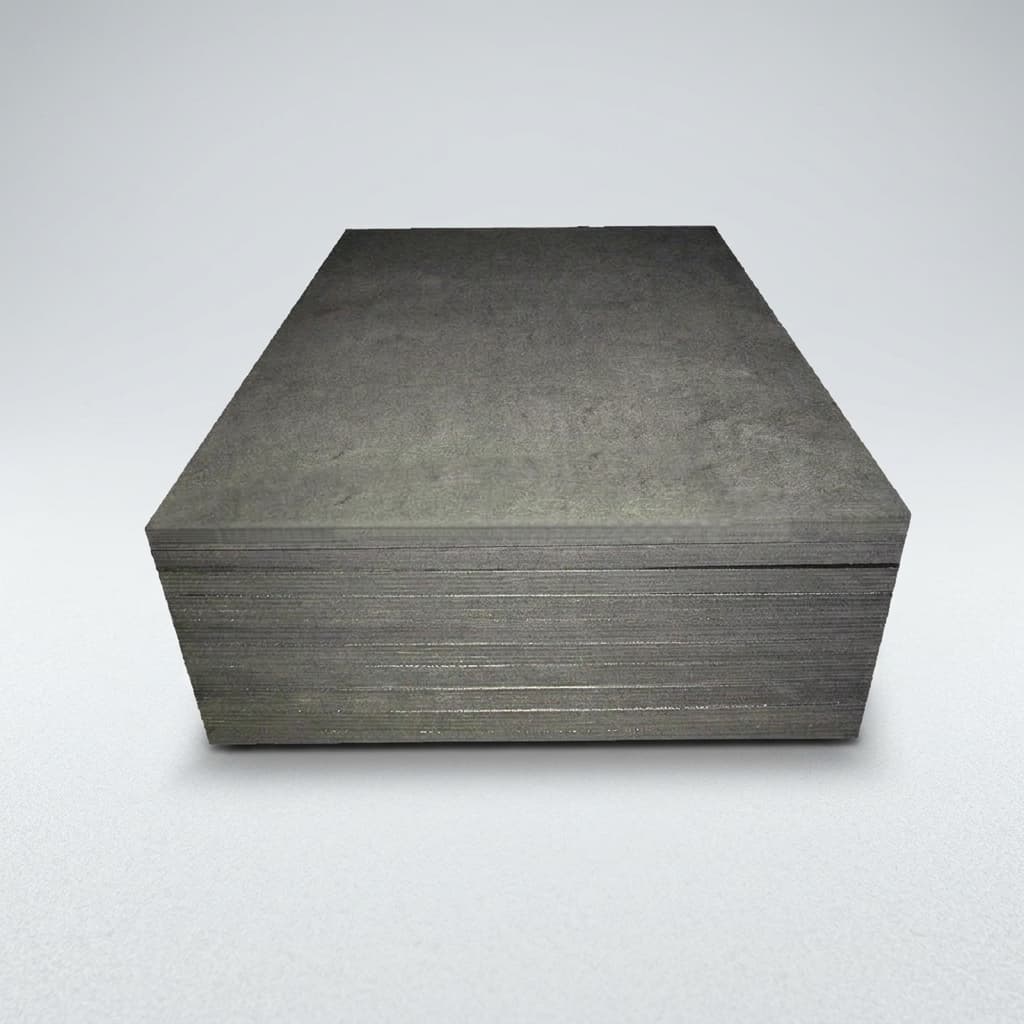
| Rigid Carbon Felt Board | Thermal engineers, furnace builders, and maintenance buyers specifying insulation stability and repeat replacement schedules. | Insulation Format: Rigid board, cylinder, ring, or custom formed part | The format determines installation fit, thermal gradient stability, and replacement workflow. |
| Semiconductor Graphite Machining | Semiconductor equipment OEMs, process engineers, and procurement teams qualifying custom graphite components from drawings. | Machining Tolerance: Project-specific; tight features reviewed by drawing | Tolerance stack-up affects drop-in fit, sealing, wafer seating, and thermal-field repeatability. |
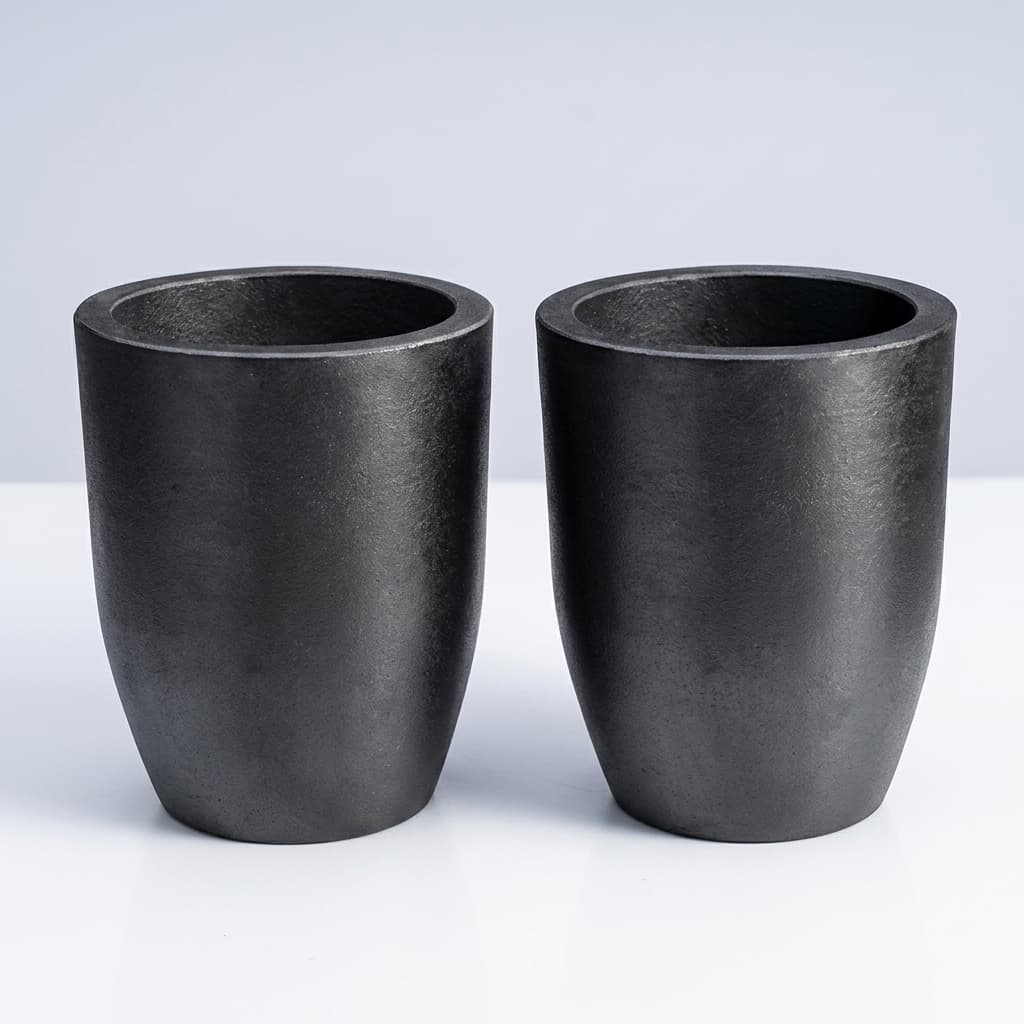
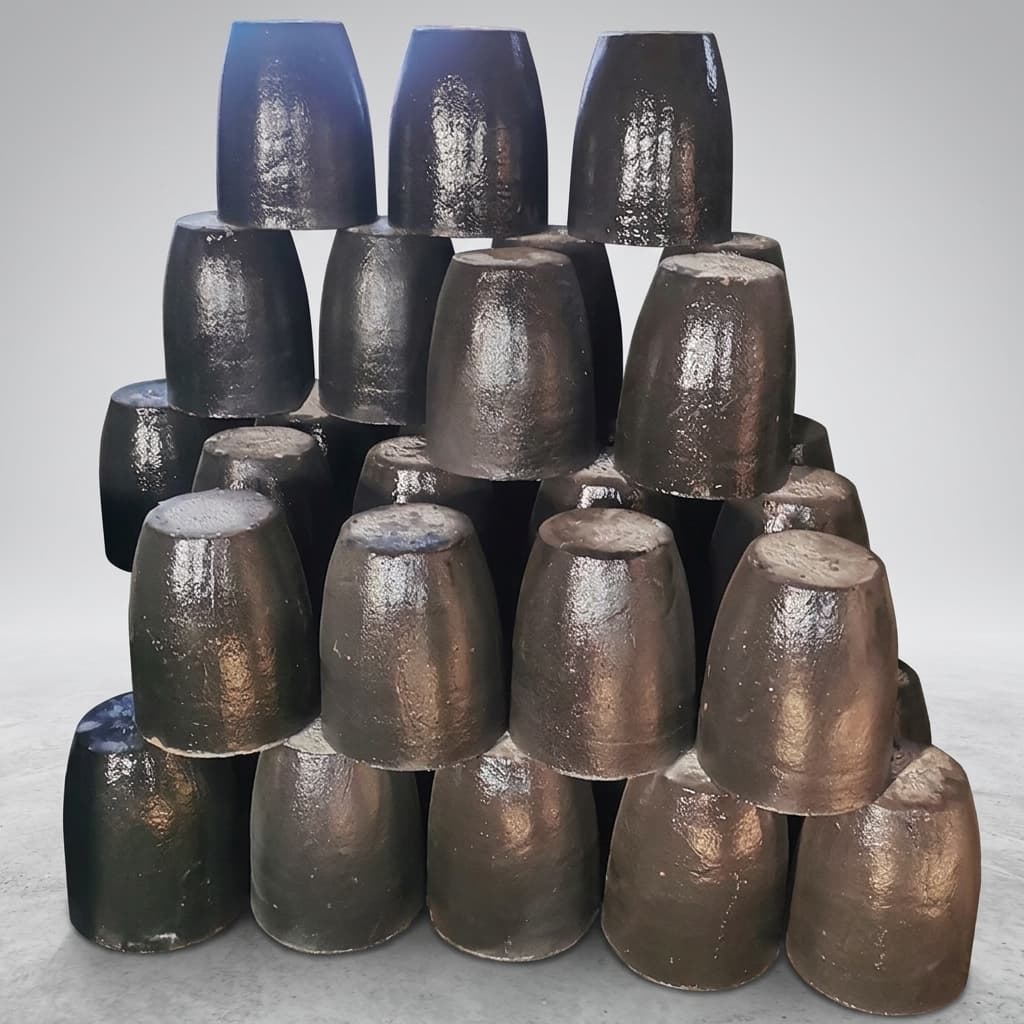
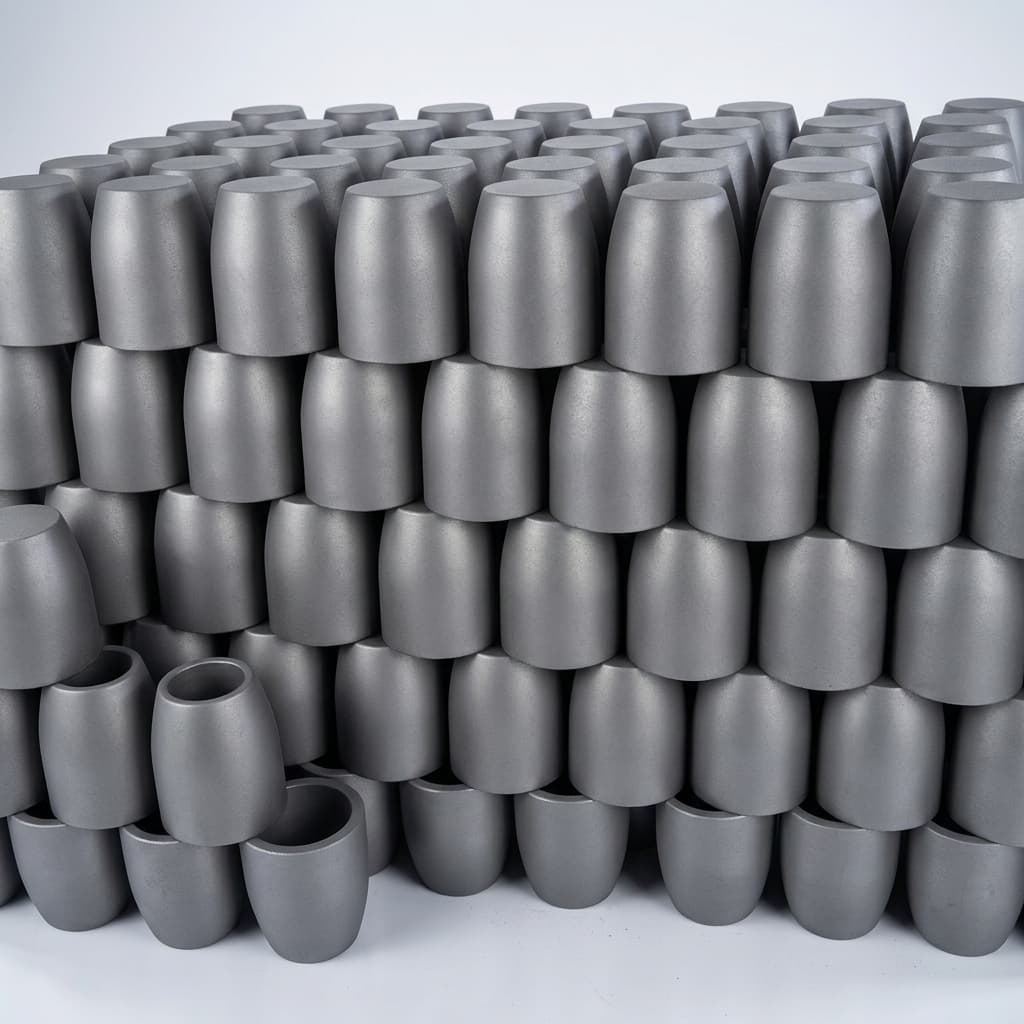
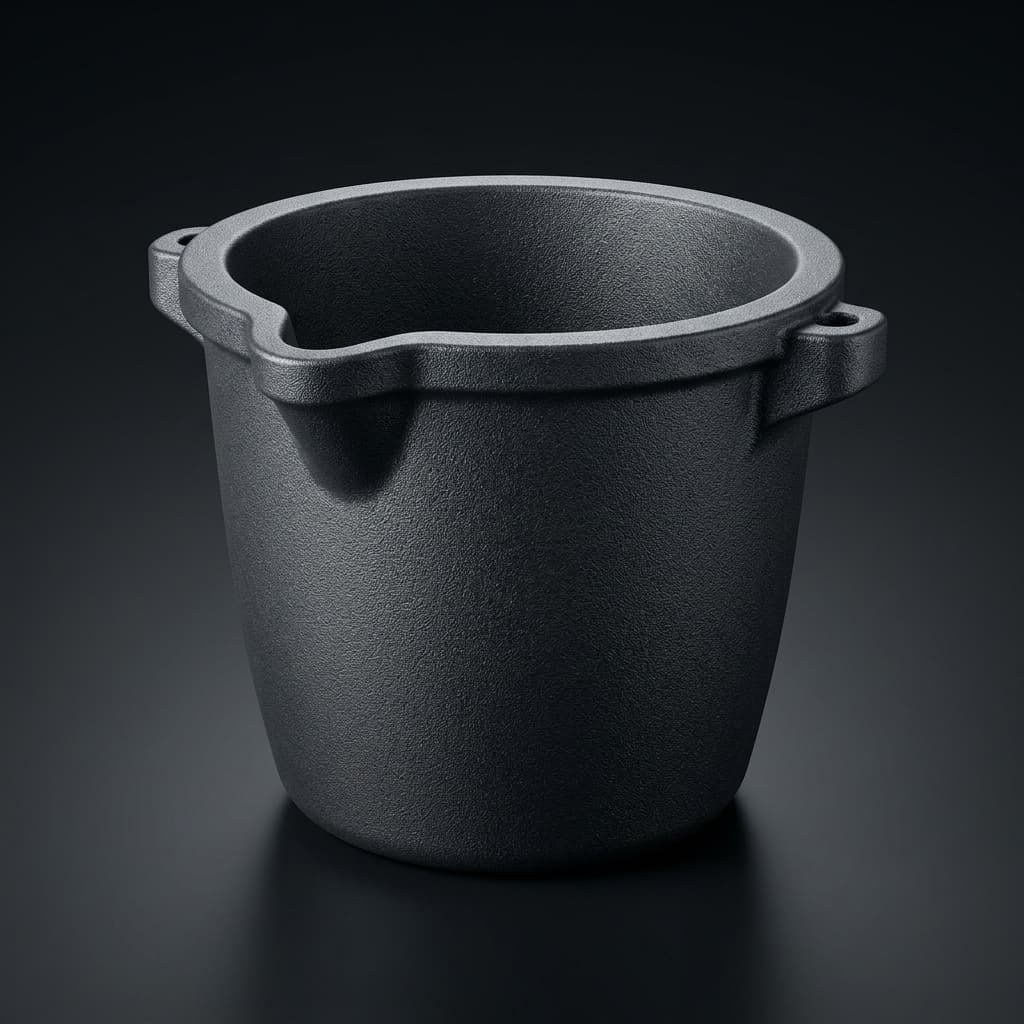
| Silicon Carbide Graphite Crucible for Metal Melting | Foundry managers, casting engineers, and metal refinery procurement teams replacing crucibles on a regular consumption cycle. | Max Service Temperature: 1400-1600°C (oxidizing); 1800°C+ (inert) | Temperature ceiling determines crucible material grade, glaze route, and expected service life per furnace type. |
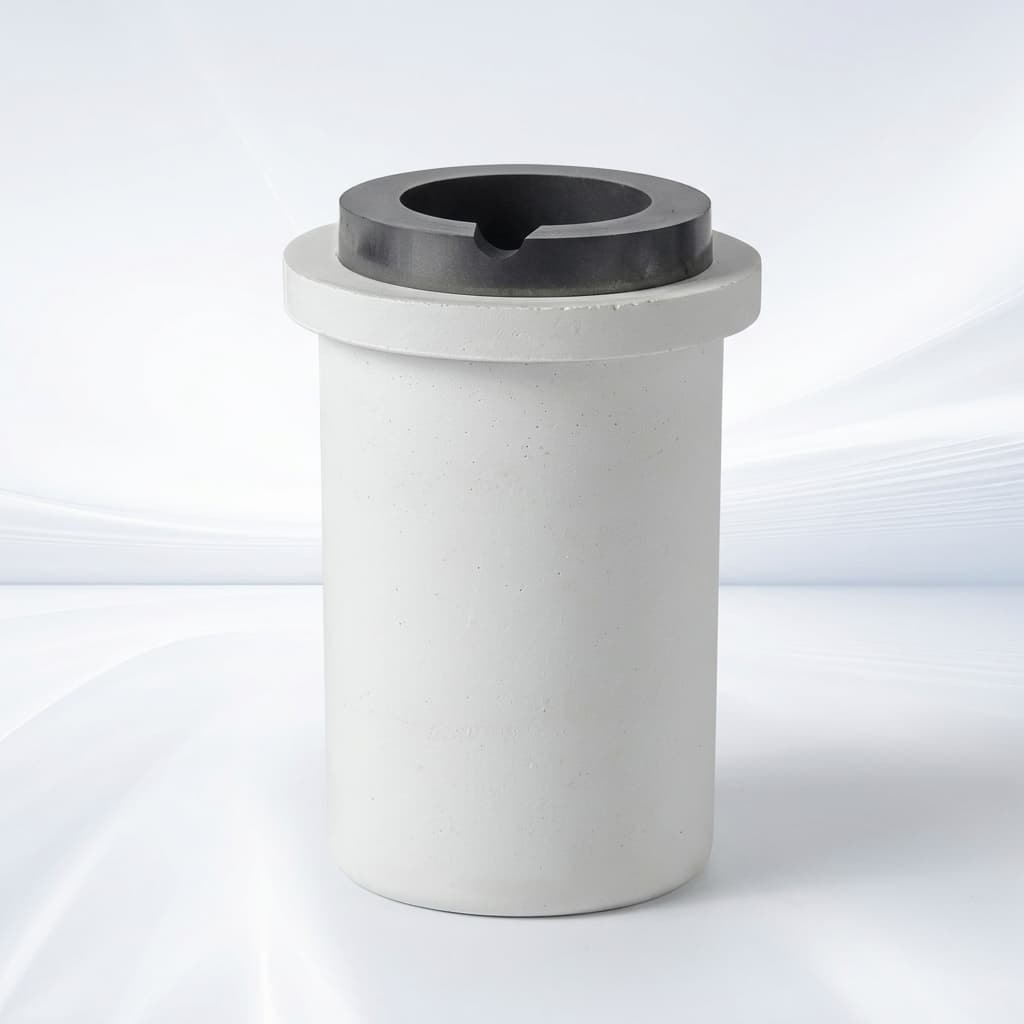
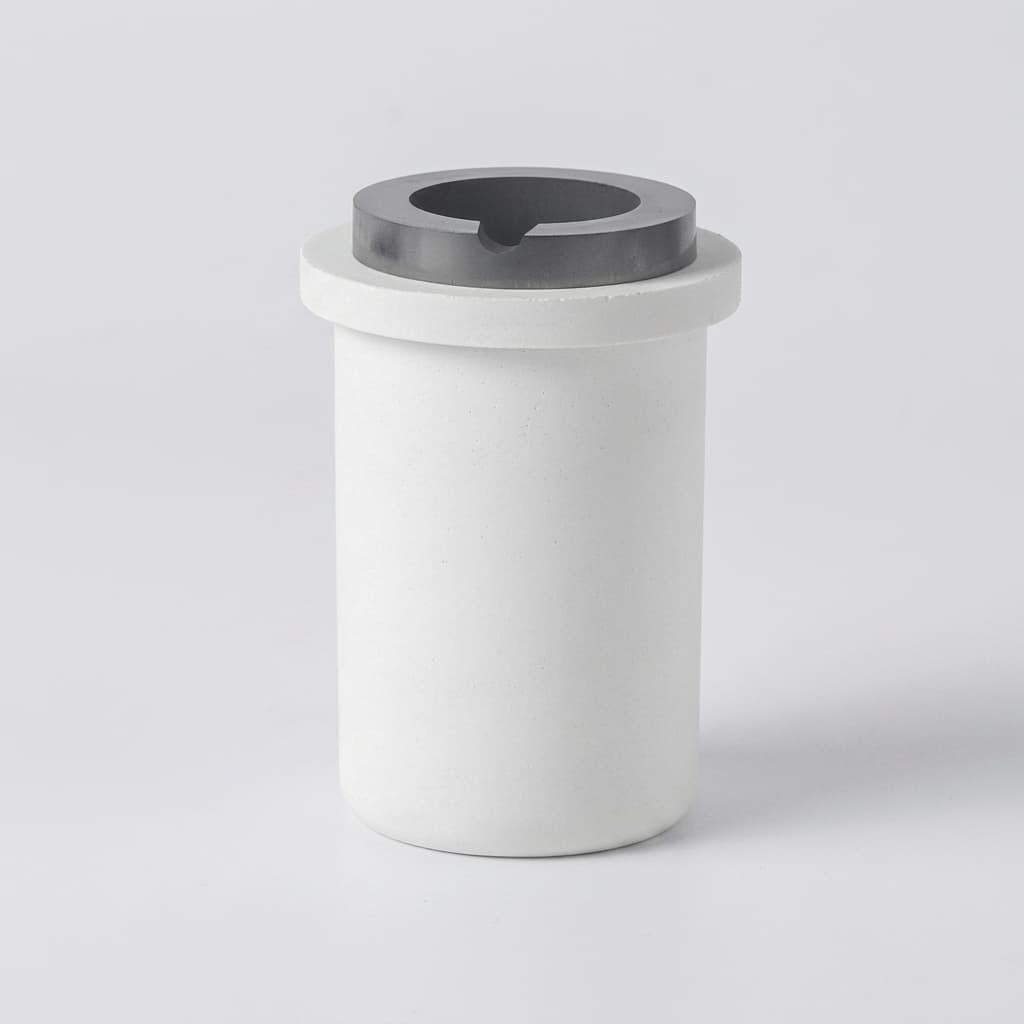
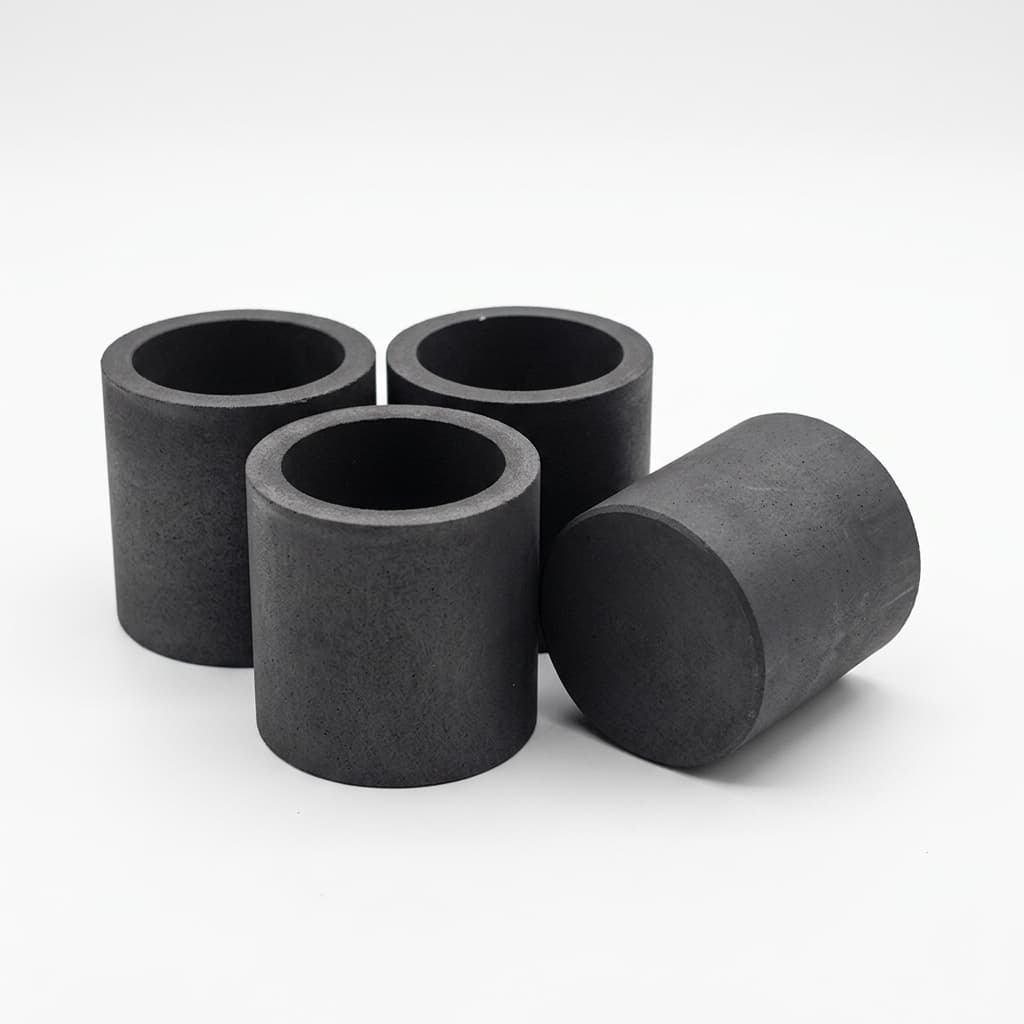
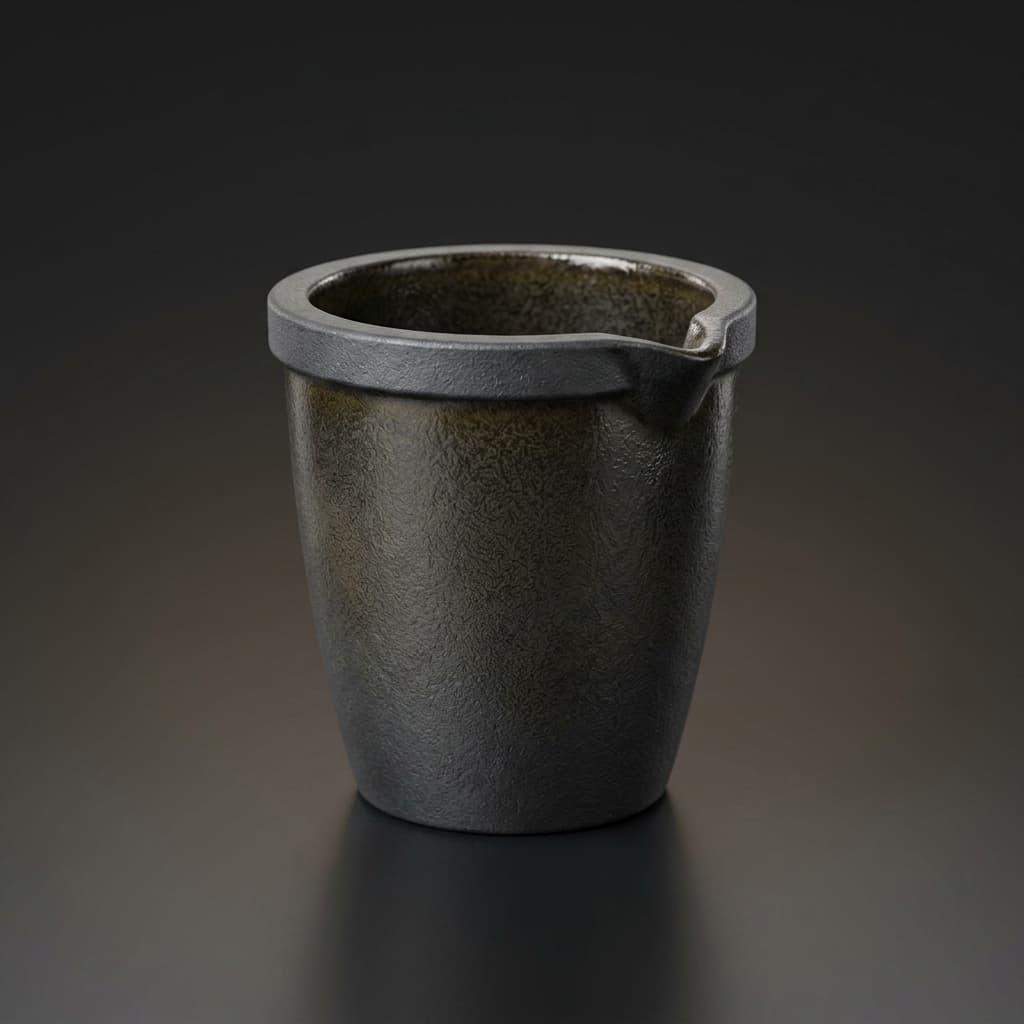
| Clay Graphite Crucible | Precious metal refiners, assay laboratories, jewelry foundries, and small-batch casting operations ordering crucibles on regular replacement cycles. | Graphite Content: High natural flake graphite ratio | Higher graphite content improves thermal conductivity, reduces melt-down time, and enhances thermal shock resistance. |
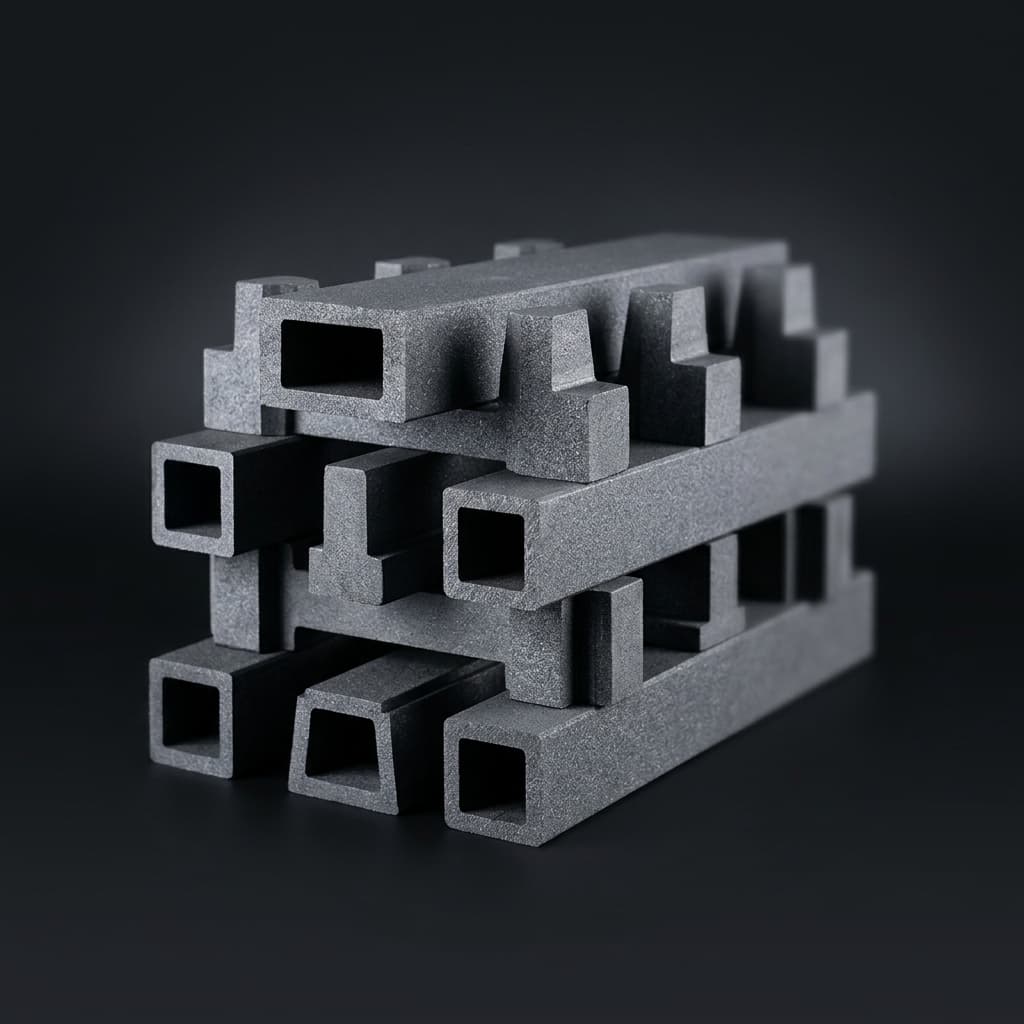
| Recrystallized Silicon Carbide (RSiC) Kiln Furniture | Kiln operators, ceramic manufacturers, powder metallurgy plants, and industrial furnace integrators replacing kiln furniture on wear and deformation cycles. | Max Continuous Use Temperature: 1650°C in oxidizing atmosphere | RSiC maintains full mechanical strength and zero creep at temperatures where conventional SiC ceramics begin to soften. |