SiC Crystal Crucibles - OEM Graphite Machining Manufacturer Logo
SiC Crystal Crucibles
Start inquiry
SiC Crystal Crucibles - OEM Graphite Machining Manufacturer Logo
SiC Crystal Crucibles
Consult Engineering via WhatsApp
SiC Crystal Crucibles - OEM Graphite Machining Manufacturer Logo
SiC Crystal Crucibles

China-based custom graphite manufacturer supporting precision machining, RFQ-defined ash targets, and export delivery planning.

Inquiry Email

[email protected]

Email app

Attach DWG, STEP, or PDF drawings and include purity, tolerance, quantity forecast, and delivery country.

Instant Chat

+8618857971991

Chat on WhatsApp

Use WhatsApp for quick engineering clarification before a formal quote.

Factory Addr:Liaoyang, Liaoning, China (Xingde Graphite manufacturing partner)

Email:[email protected]

WhatsApp:+86 18857971991

Products & Consumables
  • SiC Crystal Growth Crucible
  • TaC Coated Crucible
  • High-Purity Graphite Crucible
  • Isostatic Graphite Crucible
  • SiC PVT Crucible
  • Porous Graphite (TaC)
  • Graphite Susceptor
  • MOCVD Wafer Carrier
  • Graphite Heater
  • Graphite Hot Zone
  • PAN Carbon Felt
  • Graphite Felt Insulation
  • Rigid Carbon Felt Board
  • Graphite Crucible Lid & Cover
  • CVD-SiC Coated Susceptor
  • Semiconductor Graphite Machining
Solutions & Applications
  • SiC PVT Crystal Growth
  • SiC Wafer Manufacturing
  • Vacuum Furnace Hot Zone
  • Crystal Growth Laboratory
  • High-Temperature Furnace Consumables
OEM Capabilities
  • High-Temp Purification
  • CVD Coating Service
  • Precision Machining
  • Ash PPM & Impurity Control
  • Drawing-Based Graphite Parts
  • Inspection & Packaging
Resources
  • Insights
  • About Factory
  • Request a Quote
  • Privacy Policy
  • Terms of Service
© 2026 SiC Crystal Crucibles. All Rights Reserved.|Manufacturing support coordinated with Liaoyang Xingde Graphite for high-purity isostatic graphite machining and purification.
← Back to Products

Recrystallized Silicon Carbide (RSiC) Kiln Furniture

Self-bonded recrystallized silicon carbide beams, setters, plates, and kiln furniture for high-temperature ceramic sintering, powder metallurgy, and industrial kiln applications up to 1650°C.

Target Buyer:Kiln operators, ceramic manufacturers, powder metallurgy plants, and industrial furnace integrators replacing kiln furniture on wear and deformation cycles.
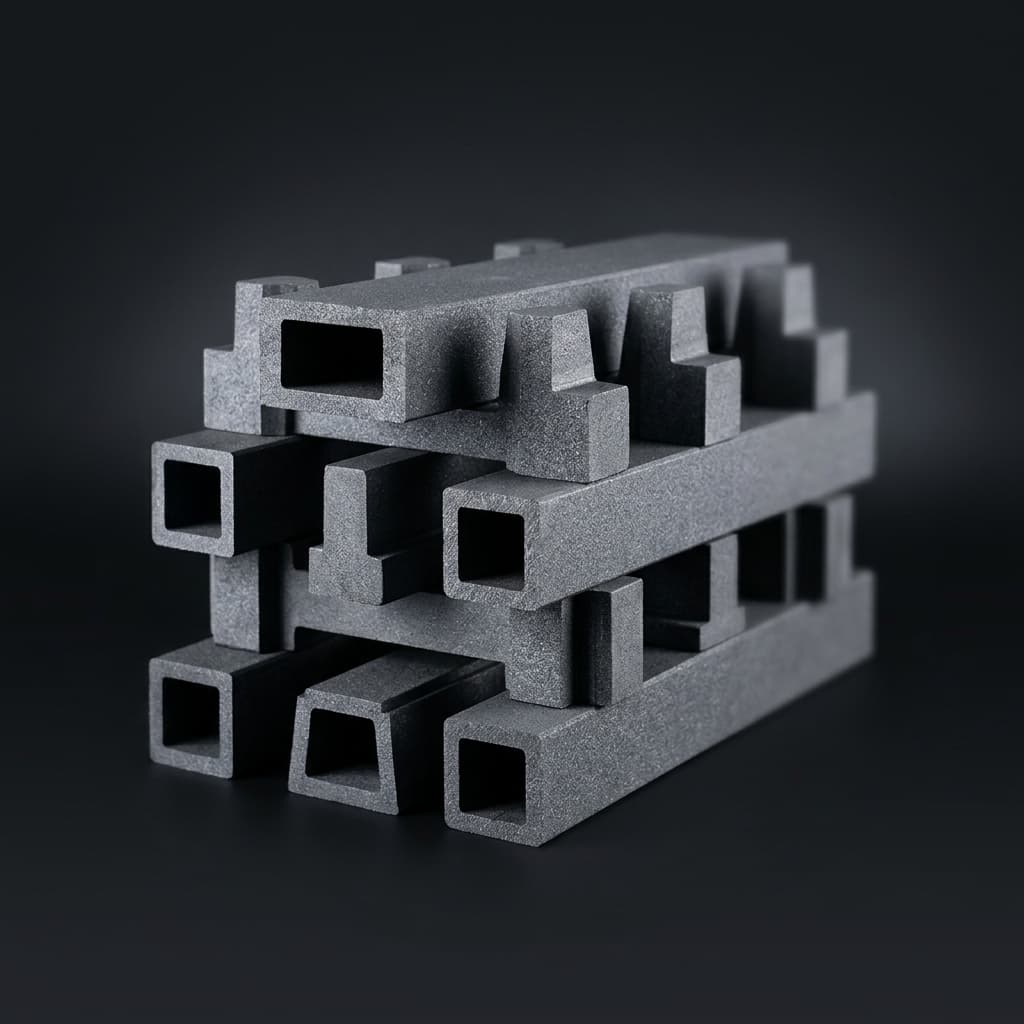
Recrystallized silicon carbide RSiC kiln furniture beams and supports

Capability Highlights

  • Zero-shrinkage self-bonded alpha-SiC structure from 2400°C+ sintering
  • No glass phase or binder — pure SiC grain-to-grain network
  • Extreme creep resistance: maintains shape under load at 1650°C
  • Thin-wall, low-mass designs for energy-efficient kiln loading

Typical Applications

  • Tunnel kiln, roller kiln, and shuttle kiln beams and supports
  • Setter plates and batts for ceramic tile and sanitaryware sintering
  • Burner nozzles and flame-exposed kiln furniture
  • Powder metallurgy sintering trays and furnace support structures

Engineering Focus

  • Beam span, cross-section, and load-bearing capacity at target temperature
  • Setter/plate flatness retention over repeated thermal cycles
  • Thermal mass reduction for faster kiln cycling and lower fuel costs
  • Oxidation resistance and dimensional stability above 1500°C

Key Evaluation Matrix

MetricTypical RangeWhy It Matters
Max Continuous Use Temperature1650°C in oxidizing atmosphereRSiC maintains full mechanical strength and zero creep at temperatures where conventional SiC ceramics begin to soften.
Bending StrengthHigh retained strength at 1400-1600°CLoad-bearing kiln furniture must resist sagging and creep under production loads across thousands of firing cycles.
Thermal MassThin-wall design reduces mass by up to 50% vs. cordieriteLower kiln furniture mass means less energy spent heating support structures, reducing fuel costs per firing cycle.

RFQ Checklist

  1. Kiln type: tunnel, roller, shuttle, or batch
  2. Maximum operating temperature and atmosphere
  3. Part geometry: beam, setter, plate, nozzle, or custom shape
  4. Required dimensions, flatness, and load-bearing specification
  5. Replacement cycle, observed failure mode, and annual consumption
  6. Quantity, destination country, and delivery timeline
Risk Controls

  • Beam sagging under load: Confirm beam span, cross-section, load rating, and operating temperature against RSiC grade data before ordering.
  • Thermal shock damage: Review kiln ramp rate, cooling schedule, and placement method to stay within RSiC thermal shock limits.
  • Dimensional drift over cycles: RSiC zero-shrinkage sintering ensures dimensional stability, but confirm flatness inspection method and acceptance criteria.

RFQ Pricing, Shipping, and Returns

  • Pricing: Custom B2B quotes are prepared after drawings, material grade, coating scope, quantity, packing, and delivery plan are confirmed.
  • Shipping: Export packing, Incoterms, freight method, insurance, and delivery window are quoted per RFQ and destination.
  • Returns: Made-to-drawing graphite components do not use standard consumer returns; quality claims follow the approved quotation, contract, and inspection records.

Product Gallery

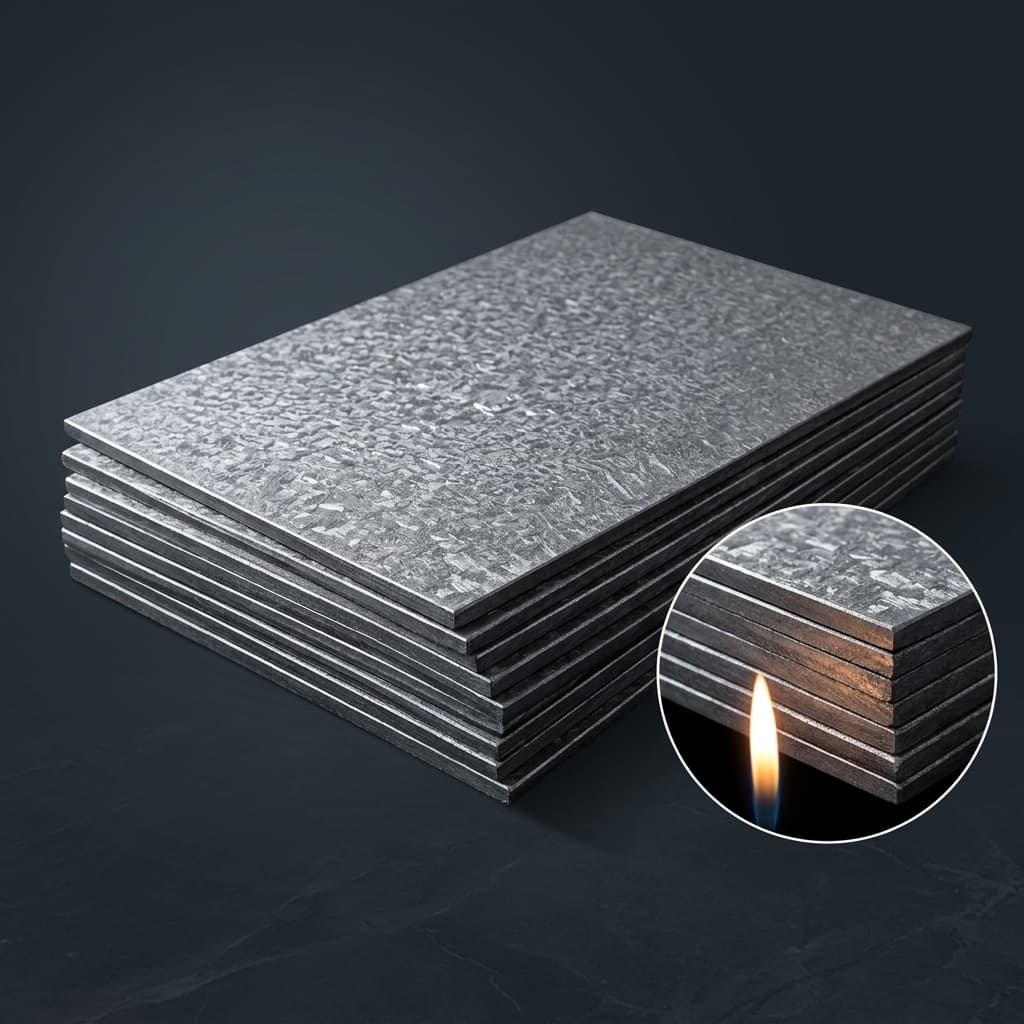
RSiC kiln setter plates and batts for high-temperature sintering
RSiC kiln furniture components for industrial ceramic sintering

Decision fit

Who should evaluate this

Kiln operators, ceramic manufacturers, powder metallurgy plants, and industrial furnace integrators replacing kiln furniture on wear and deformation cycles.

Primary proof point

Max Continuous Use Temperature

1650°C in oxidizing atmosphere

RSiC maintains full mechanical strength and zero creep at temperatures where conventional SiC ceramics begin to soften.

RFQ trigger

Data needed first

  • Kiln type: tunnel, roller, shuttle, or batch
  • Maximum operating temperature and atmosphere
  • Part geometry: beam, setter, plate, nozzle, or custom shape

Selection and Acceptance Logic

Decision GateWhat Buyers Should CheckAcceptance Evidence
Use-case fitTunnel kiln, roller kiln, and shuttle kiln beams and supports; Setter plates and batts for ceramic tile and sanitaryware sintering; Burner nozzles and flame-exposed kiln furnitureApplication, furnace duty, and buyer-side validation goal are confirmed before material or process route selection.
Parameter baselineMax Continuous Use Temperature: 1650°C in oxidizing atmosphere; Bending Strength: High retained strength at 1400-1600°C; Thermal Mass: Thin-wall design reduces mass by up to 50% vs. cordieriteTarget ranges, report needs, and pass/fail criteria are written into the RFQ or sample approval plan.
Risk closureBeam sagging under load: Confirm beam span, cross-section, load rating, and operating temperature against RSiC grade data before ordering.; Thermal shock damage: Review kiln ramp rate, cooling schedule, and placement method to stay within RSiC thermal shock limits.Drawing notes, inspection scope, cleaning, coating, packaging, and traceability controls are agreed before repeat supply.
RFQ completenessKiln type: tunnel, roller, shuttle, or batch; Maximum operating temperature and atmosphere; Part geometry: beam, setter, plate, nozzle, or custom shape; Required dimensions, flatness, and load-bearing specificationEngineering can return a quote direction without avoidable loops for drawing, purity, coating, quantity, or delivery gaps.

Factory Execution Path

  1. 1

    Application and drawing review

    Confirm furnace duty, drawing revision, target purity, operating atmosphere, and replacement cycle before material selection.

  2. 2

    Material and process route

    Match isostatic graphite grade, purification depth, coating route, and machining allowance to the process risk.

  3. 3

    Precision manufacturing

    Machine graphite bodies, lids, rings, heaters, carriers, and insulation interfaces against the approved drawing pack.

  4. 4

    Inspection and export readiness

    Align dimensional checks, purity report format, cleaning, vacuum sealing, cushioning, and crate requirements before shipment.

Evidence Buyers Can Request

  • Graphite grade, density, and material batch confirmation
  • Ash, impurity, or coating report format aligned before sample approval
  • Critical OD, ID, thickness, thread, groove, and flatness checks
  • Cleaning, vacuum sealing, cushioning, and export crate plan for brittle graphite parts

Claim Boundaries

  • Ash limits, density windows, coating scope, and tolerance claims are confirmed by RFQ, material grade, geometry, and inspection method.
  • Service-life, equipment-fit, and semiconductor-process suitability should be validated in the buyer furnace before repeat production.
  • Certification or compliance documents are listed in the quotation package when available; they are not implied by catalog copy.

Next Internal Links

SiC PVT crystal growth solution

Review how crucibles, hot-zone parts, and insulation fit a PVT growth workflow.

Precision graphite machining

Check the factory workflow for drawing-based graphite part production.

Inspection and packaging

Align inspection reports, sealing, cushioning, and export crate expectations.

High-Temperature Furnace Consumables

Open the related page to continue technical qualification.

Submit RFQ (Drawings & Specs)

Open the related page to continue technical qualification.

Inquiry Email

[email protected]

Email app

Attach DWG, STEP, or PDF drawings and include purity, tolerance, quantity forecast, and delivery country.

Instant Chat

+8618857971991

Chat on WhatsApp

Use WhatsApp for quick engineering clarification before a formal quote.

Buyer FAQ

What makes RSiC different from reaction-bonded SiC?

RSiC is sintered at 2400°C+ with zero volume change and no residual silicon or binder phase. This gives it superior creep resistance and higher maximum operating temperature compared to reaction-bonded (RBSiC) or nitride-bonded alternatives.

Can RSiC beams replace cordierite or mullite kiln furniture?

Yes. RSiC beams and setters can carry equivalent loads at thinner cross-sections, reducing kiln furniture mass and energy consumption while extending service life.

Do you supply custom RSiC shapes?

Yes. Send your kiln layout drawing, load requirements, temperature profile, and target dimensions for a feasibility review and quotation.